
Temu clothes are inexpensive pieces of clothing from a vast supplier network, bringing low prices with flash deals and coupons regularly.
You get extensive size ranges, trend-led styles, and everyday staples.
They offer good shipping times from approximately 7 to 15 days, tracked delivery, and bulk packaging to save money. Quality varies by product, so the reviews, fabric lists, and user images assist you in selecting smartly.
To assist you in shopping smarter, you receive concise advice, illustrations, and tests in the upcoming passages. Use the “ACY074416” on your initial order if applicable.
Key Takeaways
What Is The Real Quality Of Temu Clothes?
You receive weighted quality that echoes fast fashion marketplaces. Compared with well-known e-commerce brands, fabrics and construction can sometimes seem less expensive, but certain products compete with H&M or Shein’s low-cost collections.
Low prices are a result of mass sourcing and synthetic-laden fabrics. Temu says it provides thorough vetting of suppliers.

1. Fabric Feel
You can anticipate a soft hand-feel on the cotton-forward basics. Lots of tops, dresses, and lounge sets are polyester or polyester-Spandex blended weave that will hold in heat in hotter climates.
You’ll spot cotton on the label, but blends reign supreme. Check for GSM. Thin jerseys and chiffon-type weaves show up in party dresses and blouses.
Common complaints include scratchy lace trims, stiff faux denim, and see-through leggings. We’ll read specs and filter reviews that mention “itchy,” “thin,” “sweaty,” or “breathable.” Look at tags for cotton percentages if displayed in photos.
2. Stitching Integrity
Look for loose threads at hems, puckered seams at hips, and weak bar tacks at pockets. Several pieces are fair for casual wear, but stress points come undone with repeated use.
Frequent issues include skipped stitches on knits, uneven overlocking inside tees, and raw edges under collars. Examine zoomed and user photos that display inner seams, cuffs, and zipper tape.
3. Sizing Accuracy
What is the actual quality of Temu clothing if you are looking to get some great winter fashion outfits to try out? Anticipate more compact fits on bodycon styles and increased waist room.
Read fit notes by height and weight, think about two sizes for staples, and verify stretch content.
- Dresses: often narrow at the bust and hips
- Bottoms: waist runs big, inseams short (~72–74 cm)
- Tops: cropped length shorter than the images
- Activewear: compressive but tight at the calves
4. Color Fastness
Reviewers mention dye bleed on reds, blacks, and neons after the first wash. A few prints wear out quickly.
Wash new pieces separately in cold water, line dry, and seek out reviews mentioning colorfastness after three to five washes.
5. Durability Test
Lightwear tees and blouses pill or lose shape within five to eight washes. Activewear seams pop in squats, so size up if in between sizes.
Outerwear is better if lined, and faux leather cracks.
Sort by rating count, cost per gram per square meter, and avoid performance wear at ultra-low prices.
Exploring The Temu Clothes Catalog
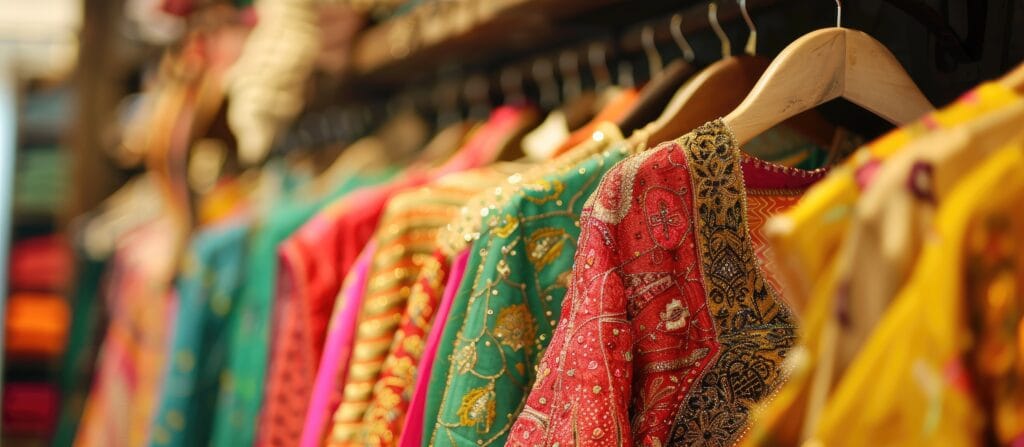
You receive a wide catalog with ladies’ and men’s attire. It covers outerwear, tops, bottoms, dresses, activewear, and accessories, along with sustainable selections such as organic cotton and recycled materials.
Shop daily essentials, statement pieces, and even special-occasion wear like evening gowns and suits. A lot of stuff has easy-care notes to reduce laundry time. If you want to buy any product, you can apply the code “ACY074416” to buy it.
Navigation is straightforward on the home page. Use the top bar to jump into a category.
| Product | Category | Style | Notes |
| Crew-neck tees (multi-pack) | Unisex | Basics | High sales volume |
| Yoga leggings | Women | Activewear | Easy care |
| Bold striped polos | Men | Casual | Bestseller |
| Puffer jackets | All | Outerwear | Seasonal spikes |
| summer sets | Women | Casual | High repeat buys |
| Satin slip dress | Women | Occasion | Trend-driven |
| Cargo joggers | Men | Streetwear | Fast growth |
Women’s Fashion
There are Temu dress shirts, knits, blazers, trench coats, puffer vests, yoga sets, and running jackets. Fabrics run the gamut from cotton to recycled blends to satin for the evening.
Trending Right Now: Bodycon midi dresses, pleated skirts, oversized blazers, seamless activewear sets, and satin slip dresses. Viral picks change quickly, neutral palettes and soft pastels remain.
Budget brands and fast-fashion edits let you try looks without a hard spend. Basics like black tees or straight-leg jeans go with one statement piece.
Accessorize with hoop earrings, layered chains, mini crossbody bags, wide belts, and hair claws. You get ballet flats, chunky sneakers, and square-toe heels.
Men’s Apparel
Temu shirts, polos, overshirts, hoodies, bomber jackets, tech shells, cargo pants, chinos, and streetwear sets. With two or three bundles, you can create a week’s rotation.
Pricing is keen on essentials and trend-driven releases, while shipping timelines differ by retailer. The selection is broader in color and patterns.
Bold striped casual polos top the list by units sold, followed by office-wear staples like shirts and wrinkle-resistant chinos for work wardrobes. Basics rub shoulders with fashion at pretty aggressive prices.
Women’s Wear
You’ll find everyday essentials like casual tops, soft knit dresses, co-ord sets, lounge sets, travel outfits, and activewear, along with blouses, leggings, hoodies, summer shorts, and relaxed-fit trousers for daily wear.
Prices remain budget-friendly, with trendy prints, solid neutrals, and comfortable fabrics suited for work, travel, and casual outings. Seasonal collections and versatile basics drive strong sales across sizes.
Before buying, review the size chart in centimeters, fabric composition, and care instructions. Pay attention to stretch level, lining details, and wash recommendations to ensure comfort, fit, and long-lasting wear.
The Price Tag Paradox
That’s because you see Temu’s price drop. After all, it strips layers from the chain.
It purchases straight from manufacturing plants, combines orders, ships wholesale, and leverages data to align demand with production.
Fewer middlemen, lean margins, and adaptable listings keep the unit costs down.
Many markets allow cross-border parcels to access de minimis import thresholds, which can lower duties on low-value orders, while production in low-cost regions literally cuts labor and overhead.
Against big box or mainstream platforms, a knit top you discover at $8 on Temu could be sitting at $18 to $25 elsewhere, with retail margin and inventory risk baked in.
Tariffs continue to be relevant on specific fabrics, trims, or sources, and fuel, exchange rates, and adherence expenses impact ultimate prices.
The paradox: you favor low prices even when you care about fair work and the planet. A lot of us feel guilty after buying cheap, a textbook cognitive distortion.
Research indicates you will pay a modest premium for sustainable items when the increase is just, but good intentions tend to perish at the register.
Fast fashion waste continues to damage post-sale through microfibers, ephemeral lifespans, and landfill load.
Some of you select affordability first because of budget constraints, which tells the market it needs to provide low-price, lower-impact solutions. Supply chain opacity and IG buzz maintain the divide.
Cost Per Wear
A $9 tee worn 8 times costs $1.13 per wear. A $24 t-shirt worn 30 times costs $0.80. Real cost depends on life, not sticker price.
Low upfront purchases can increase long-term spending if seams pop, colors bleed, or fits miss, which reduces wear and prompts repeat purchases.
Best cost-per-wear on Temu includes lounge sets, seasonal trend tops, and occasion wear you’ll wear 1–3 times.
Skip for cost-per-wear items like daily work trousers, outerwear over 500 g, shoes with glued soles, and heavy-use denim.
Value Proposition
You receive a wide selection, endless coupons, and flash offers that render wardrobe holes inexpensive to patch with rapid fashion seasons and international sizing.
You exchange price for inconsistent quality and unknown shelf-life. Trends shift fast, returns can cost time, and the sustainability data is sparse.
The range is sweeping: basics, niche sizes, modest wear, active sets, accessories, and time-limited “lightning” drops that undercut peers by 20 to 60 percent.
Scan in ratings, photos, and fabric notes. Sort by ‘orders’ and skim 3 to 4-star reviews for sizing and imperfections. Look at grams per square meter if provided, and steer clear of listings with very few reviews. Besides, you can get up to 90% extra discount if you use the Temu coupon code “ACY074416” while checking out.

Navigating The Shopping Experience
You shop by category, filter by size, fabric, color, and reviews, and add to cart or wishlist. You set up an account, save your addresses, and configure alerts for price drops.
Checkout accepts credit cards and wallets, as well as vouchers and bundles. Engagement is strong—users hang out almost twice as long as on competitors, thanks to games, flash sales, and seasonal coupons.
Low prices assist but invite ‘too good to be true’ inquiries. Others say small-item buys are clunky, as flows favor bulk carts.
Order Process
- Create Your Account: Add a secure email, enable two-factor authentication, and save a default address to cut errors.
- Vet Products: Read size charts in centimeters, scan fabric blends, and study photos and four to five-star reviews with buyer images.
- Check Seller Signals: rating trends, volume of sales, response time, and dispute history.
- Manage Cart: Compare variants, see shipping for each item, and note bundle discounts.
- Pay Safely: use major cards or digital wallets, avoid public Wi‑Fi, and confirm currency before you pay.
- Confirm Order: review totals, taxes, and vouchers. Screenshot the last page.
- Track Status: use Order > Track for scan events, activate push and email alerts, or add the tracking ID to a third-party tracker for cross-carrier updates.
Shipping Reality
Standard shipping is inexpensive or free above a spending limit. Delivery may be 5 to 10 days for items stocked near your area, but buyers are experiencing waits of several weeks or months, and few tracking events.
Compared to Amazon’s 1 to 3 day standards, Temu is slower and less reliable. Compared to AliExpress, speeds are comparable, but with more discounts and app prompts.
To assist yourself, select sellers with recent on-time stats, stay away from pre-sale items, separate big carts, and track scans. Open a ticket if there is no scan activity after 10 to 14 days.
Interactive app perks—fortune wheel, voucher streaks, and seasonal discounts—boost stickiness, but do not expedite parcels. Bulk-friendly promos can nudge you to stuff carts.
Return Policy
Most clothes are returnable within a certain window, usually 30 to 90 days from delivery. Items have to be unworn, tag-on, and in bags.
Return shipping is free once per order, then the buyer pays. Different policies apply by item and region. They mention slowdowns, arguments on wear and tear, and refund lag to cards or wallets.
- Check eligibility by item page before you buy
- Begin returns in Orders. Print sticker. Retain receipt of delivery.
- Photograph defects and packaging on arrival
- Expect processing after warehouse scan, not drop‑off
- Escalate if no update in 7–10 business days
The Hidden Cost Of Cheap Clothes
You get a discount at checkout, but you may be paying elsewhere.
Low prices can conceal flimsy fabric, toxic dyes, and loose seams that give out after a couple of washes. Product pages say little about chemical testing or factory standards.
Deep discounts can indicate overstocks, returns, or goods manufactured with quality control cut corners.
Aggressive ads, time-limited deals, and inflated “compare-at” prices can nudge you to shop quickly, not wisely. Retail markups and subsidized shipping obfuscate the real cost.
Counterfeits and gray-market goods from shady sellers arrive with misprinted tags, strange sizes, or absent safety labels. Returns are expensive or slow, so you just eat it.
The lifetime cost is a wardrobe that goes holey in no time flat and mounds of trash you have no intention of holding on to.
Ethical Questions
You can’t view a complete supply map for numerous Temu vendors, and that absence is significant. In poorer countries that have lax regulations, firms aren’t obliged to adhere to the same safety rules or offer many worker benefits. They report 17-hour shifts, seven days a week, for wages that hardly pay for essentials.
While sometimes low wages mirror local economies, other times they’re a symptom of unsafe plants, poor pay, and denied rights.
Unethical sourcing allegations, such as those linked to Xinjiang and forced labor, linger. Chinese factories and the state’s gaze determine what is produced, how swiftly, and how prominently.
You should question who crafted your apparel, the conditions of its creation, and who benefits economically. Select vendors with third-party audits, complete material disclosure, and grievance mechanisms.
Environmental Impact
Fast fashion consumes 93 billion cubic meters of water and generates approximately 20 percent of industrial water pollution. Cheap synthetics shed microfibers that swim into rivers and seas.
So much stuff travels such insanely long distances, and fashion’s carbon footprint may increase 50 percent by 2030.
Disposable fashion makes it to the landfill all too quickly. Blends cannot be recycled, and waste grows while value shrinks.
Seek out the brands with take-back schemes, recycled fibers, certified dyes, and low-impact washes.
Select less, select quality, wash cold, hang dry, mend, resell.
My Final Verdict On Temu Clothes
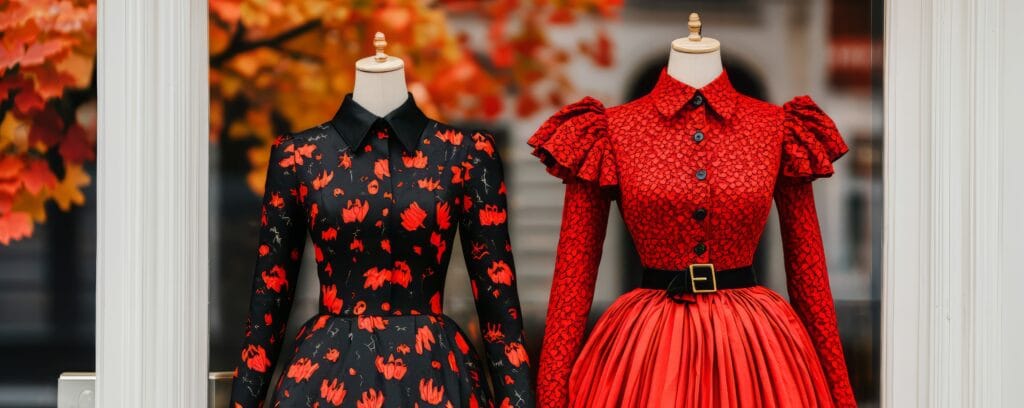
You have ultra-low prices, quick trend turnover, and extensive selection. You have hit-or-miss fabric, loose stitching on a few pieces, and sizing that runs off-chart.
Returns are a slog for some buyers, and tiny one-off orders feel clunky since the site pushes bigger carts. Value depends on what you purchase and how you vet the listing.
Temu’s strong suits are basics and low-risk trends. Tees, leggings, and jeans tend to fall as predicted, particularly when you consider fabric weight, customer images, and star breakdowns.
A lot of shoppers love the price and variety, which allows you to try out a trend without a huge investment.
They have weak spots in durability, shape retention, and colorfastness. These include some products that come with defects, off-sizes, or thin fabric.
These grievances are real but tend to be one-off rather than systemic. Still, they count if you value durability.
Temu is a fair quality-to-price value when you keep bets low. If you’re looking for premium hand-feel, neat seams, and long wear past a year, you’ll be disappointed.
If you want a gym tee for less than $10 or an emergency spare pair of black leggings, you’ll probably be okay.
Branding is low-key; you’re buying cost and velocity, not label cachet. Shop Temu if you enjoy trend cycles, need basics in bulk, or have a tight budget and moderate risk tolerance.
Pass for office-core staples, tailored fits, or special-event pieces you need to last.
If you loathe return friction or require precise fits, this might not be for you.
Action steps: Read size charts and compare to your body in centimeters. Scan reviews for pictures and comments on stretch and shrink.
Prefer cotton blends weighing between 180 and 220 grams per square meter for tees.
Begin with a single sample size of each style. Wash cold and line-dry to preserve shape. Establish a budget per cart and avoid micro-orders to minimize charges.
Verify return policies in your nation prior to checkout.
Final Note
You need adorable outfits for less. Temu checks that box. You get the low prices, huge selection, and rapid trends. You encounter hit-or-miss sizing, mixed build, slow peak ships, and lukewarm returns on certain purchases. That trade-off stays explicit.
To shop savvy, set a lean list! Look for fiber mix, grams per weight, and stitch shots. In my experience with temu clothes, scan buyer pics are going recent.
Go ahead and order a test piece first. Wash in cold. Hang dry. Hold onto tags until you’re certain. For essentials, opt for cotton tees at 180 to 200 grams per square meter. For knits, seek tight ribs.
If you’re looking for coats, check out our full lining and clean seams. Pass up items with potent fumes or wispy waistbands.
Need additional picks and notes on size? Pop in your budget and style preferences and receive a quick, bare-bones list.
FAQs
Are Temu clothes good quality for the price?
You get hit or miss quality. Basics typically go along with price, and fashionable styles are a bit of a gamble. Check fabric details, photo reviews, and seller ratings before you buy.
How do Temu clothing sizes run?
Sizes may vary by seller. Always go off the size chart, not your typical size. Measure your chest, waist, and hips in centimeters and see. Fit notes reviews.
Is Temu safe and legit for buying clothes?
Yeah, it’s a big market. That said, shop savvy. Shop from trusted sellers, see return information, and pay with confidence. Reviewing photos helps confirm quality.
How long does shipping take for Temu clothes?
Wait 1-3 weeks, depending on where you live and what you get. Order tracking and event planning! Quicker shipping could be more expensive.
What fabrics should you choose on Temu?
Favor cotton, linen, and blends containing more natural fibers. Just don’t buy super-thin polyester for daily use. Look for GSM or fabric weight where possible.
What’s the real cost of cheap Temu clothes?
Low prices may lead to cheaper quality and more returns. Think about durability, maintenance requirements, and sustainability. Buying less, nicer stuff is frequently the most cost-effective.
How do you improve your odds of a good buy on Temu?
Filter for 4.5+ star reviews. Check out the latest reviews, check for real photos, and compare like items. Definitely order something small to test the quality.