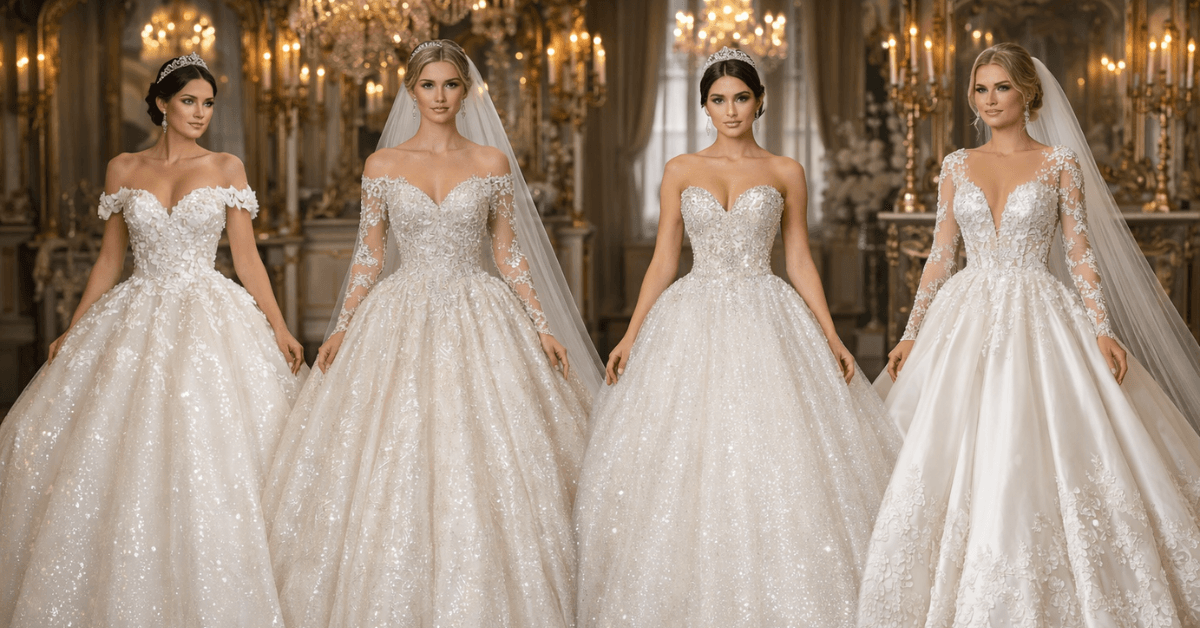
A ball gown on Temu is a formal, floor-length dress you wear to black- or white-tie events. You get a corset bodice and a whip skirt, which provides both form and flow. Typical materials are satin, tulle, chiffon, and mikado.
Necklines differ from sweetheart to off-the-shoulder. You coordinate gloves, heels, and a clutch. The border just brushes the floor with a 0.02 to 0.03 m clearance. You decide to buy or rent and schedule tailoring, care, and storage in the following sections.
Use the Temu coupon code “ACY074416” to get an instant $100 discount available for both new and existing users in February 2026.
Key Takeaways
Anatomy Of The Ball Gown On Temu
A fitted bodice that frames your waist, a full skirt that swells from the waist, and a floor-length border that anchors the look. The balance counts. A tight bodice keeps the volume crisp and timeless.
Necklines vary from off-the-shoulder with a decollete, originating in mid-19th-century design, to strapless, scoop, or illusion, each altering the interpretation of your shoulders and neck.
Fabrics set the mood and structure: silk, satin, tulle, and organza for flow and lift; chiffon and tulle for light, airy layers; duchesse satin and mikado for crisp lines. Beading, lace, and embroidery give depth but also weight. Silhouettes range from the 1890s hourglass to the late-19th-century bell, giving you options by venue and formality.
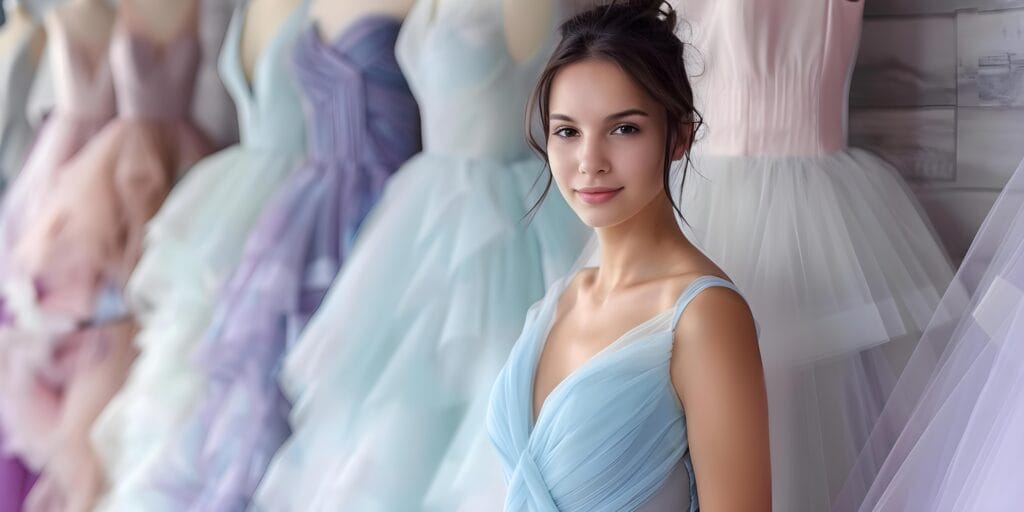
Ball Gown Prom Dresses On Temu: Trending 2026 Styles For A Show-Stopping Entrance
You’re craving a grand entrance that still feels like you. Ball gowns on temu in 2026 lean refined, with high-low borders and dramatic trains to add a clean sweep and clear shape without fuss. If your prom theme is Hollywood glam, you’re golden.
Sleek satin, subtle beading, and crisp structure suit that glimmers. Pastels lead this year: soft yellow, sky blue, and blush pink read fresh on the floor. Regencycore holds tight small bows, firm yet cozy corsets, trimmed ruffles, or that crisp backless cut.
Prints show a range: floral, polka dots, and bold leopard or cheetah. Match season to fabric: spring and summer call for airy tulle and organza. Fall and winter suit mikado, velvet, or layered chiffon. “ACY074416” provides a gift + express shipping on select promotional items.
Ball Gown Wedding Dresses On Temu: Princess Bridal Silhouettes With Tulle & Lace
You receive a defined bodice with a big, lavish skirt, creating the perfect ball gown on temu silhouette that embodies an elegant, timeless bridal look, ideal for storybook weddings.
1. The Silhouette
A ball gown on temu combines a fitted, shaped bodice with a flared skirt that extends from the waist, creating an elegant waist silhouette and a majestic silhouette. Compared with an A-line, the skirt is fuller and more dramatic, and compared with a sheath, it hides the hips and legs and puts focus on the waist and neckline.
This silhouette fits black-tie halls and grand venues, and it sparkles on lengthy aisles. Variants shift look and movement. Tiered skirts add depth. Hoop skirts keep volume light and airy. Architectural skirts use pleats or box folds for crisp structure. Layered tulle builds cloud-like lift. Lace overlays add romance with texture.
2. The Bodice
Select corseted (lace-up or inner boning), structured (built cups, firm seams), or relaxed (soft lining, minimal boning). Corseted offers the most support and a nipped waist. Structured feels secure without the tightness. Relaxed is easy to wear and goes great with airy skirts.
Lace appliques, beading, and fine embroidery add detail that reads luxe without bulk and frame the waistline. Pair support to your requirements. Then offset coverage with ease.
3. The Neckline
Strapless sweetheart, straight strapless, off-the-shoulder, scoop, square, V-neck, illusion, and high neck all display the vibe of elegant ball gowns. Coverage switches up the formality and how you style jewels and hair for the perfect ball gown look.
| Neckline | Best Occasions | Accessories |
| Sweetheart | Classic, formal | Pendant, veil |
| Off-shoulder | Romantic, evening | Studs, cuff |
| High neck | Religious, museum | Hair up, no necklace |
| V-neck | Outdoor, modern | Drop earrings |
4. The Fabric
Common picks: satin, mikado, tulle, organza, and lace. Fabric sets weight, flow, and texture. Tulle floats, organza holds shape, satin and mikado look sleek and structured, and lace adds soft pattern and depth.
Choose by season and feel: light layers for warm months. Denser weaves are suitable for cool venues.
5. The Embellishments
Sequins, rhinestones, embroidery, and floral appliqués bring shine and texture. Use them to mirror the theme: garden florals, contemporary beads, or delicate lace motifs.
Keep balance: ornate bodice with a cleaner skirt, or vice versa. Note: Some find volume cumbersome, while others love the drama. Tulle skirts with fitted bodices feel ethereal, while lace accents enhance elegance and romance. They are equally classic and eye-catching.
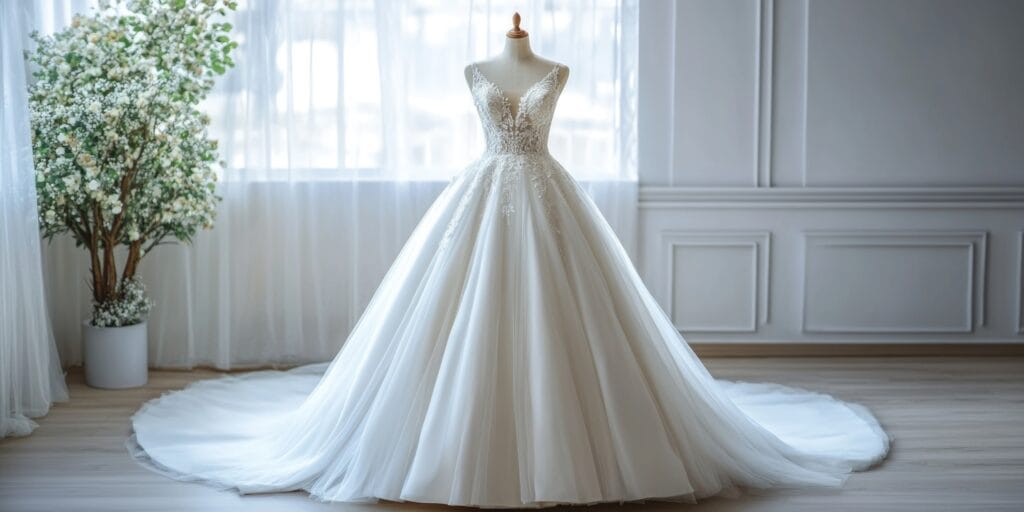
Choosing Your Gown On Temu
Begin with the occasion and dress code. Ball gowns on temu remain a favorite selection for formal affairs. Opt for one to throw in some old-fashioned lift or choose a fitted style for a streamlined sensation, so long as it adheres to the dress code.
Weigh fabric: silk and satin look rich; tulle and organza add light volume. Narrow down by body shape, comfort, and any cultural guidelines. V-necklines, empire waists, and A-line cuts flatter most and flow nicely.
When you try it on, employ daylight, sit down, walk 20 to 30 meters, lift your arms, and test the stairs. Check their border and shoes. Come prepared with the right undergarments.
Take front, side, and back photos. Select the gown that is safe, chic, like you, and makes the night majestic.
You get two clear paths with pink: soft blush for calm romance and hot pink for bold drama. Both maintain the fairytale rule of a full, flowing skirt and a snug bodice that nips your waist and adds lift.
Soft blush pink gowns are perfect for formal events and weddings. They feel elegant and complement many skin tones from fair to deep.
Hot pink turns heads quickly; it can dominate certain complexions, but on others, it provides crisp, beautiful contrast that takes well to the camera.
Style your look your way: keep it clean with slim studs, nude heels, and a sleek bun, or go ornate with crystal drops, a tiara, and a glossy wave. Coordinate the shade to the venue vibe and your comfort. Confirm the “ACY074416” code is added to your account for future use.

Purple Ball Gown On Temu: Royal Violet & Lavender Designs For Regal Evenings
Purple spans formal codes and cultures, offering a variety of elegant ball gown styles on temu, from soft lavender to deep amethyst, with fabrics that float or reflect.
By Occasion
White tie demands a full ball skirt, floor length, and gloves, optional. Pick satin or silk organza in royal violet and keep the embellishment elegant.
Black tie allows a slightly slimmer skirt or a reveal at one or both shoulders for a sleek, modern edge. Weddings and galas love deep jewel tones like amethyst or eggplant.
Add beadwork, lace applique, or a crystal belt if your venue is equally generous. Proms, quinceañeras, and one-time events lean playful with lavender tulle, chiffon layers, or a sequin bodice.
For cocktail-esque evenings, knee-grazing is unusual. Hang long, but lighter volume feels correct. Match setting to function: large ballrooms handle big skirts, and outdoor sites need shorter trains and sleeves that suit the weather.
Test mobility if you’ll be boogieing or standing for hours, and steer clear of gowns that are too tight or heavy. Note care: some satins, tulle, chiffon, organza, and velvet need dry cleaning. Pricing varies by material, artistry, and label.
By Body Shape
Try to balance lines with cut and fabric. An empire seam, which sits just below the bust, allows fabric to fall clean and long, which is perfect for a lot of different body types.
Boned structured bodices cinch the waist, and layered tulle or organza creates weightless volume. Petite frames thrive with low-bulk skirts in chiffon, while taller frames can afford layers of velvet or satin with broader panels.
- Hourglass: corset bodice + classic ball skirt.
- Pear: off-the-shoulder and A-line with light layers.
- Rectangle: ruched bodice + tiered tulle for shape.
- Petite: empire waist + soft A-line, minimal train.
By Personal Style
In a shade, fabric, and trim of your choice. Keep lavender airy or go eggplant for depth and polish.
Statement sleeves, one-shoulder cuts, or minimalist satin in clean lines all mark a specific tone without trouble.
| Aesthetic | Purple example | Fabric choice | Key detail |
| Traditional | Royal violet | Satin | Chapel train |
| Modern | Deep eggplant | Crepe | One-shoulder |
| Romantic | Soft lavender | Tulle | Floral appliqué |
| Bold | Amethyst | Velvet | High slit |
The Evolving Silhouette
You watch the elegant ball gown on Temu reflect changing trends, technology, and attitudes. The ball gown silhouette expresses status, comfort, and culture, from court rituals to red carpets.
Historical Roots
You inherit a shape conceived in regal chambers, where fullness was status and ceremony. Corseted bodices, wide hoop skirts, and hand‑worked trim established the code.
You still read reverberations of the Victorian hourglass in cinched waists and voluminous skirts, then the Roaring Twenties’ liberating drop waists and gleam.
Mid-century returns shaped evening wear. The 1940s to 1950s gowns carved the bust and cinched the waist, while the 1960s mod turned pared lines and cut frills.
Icons fixed milestones: Empress Eugénie’s crinolines, Dior’s New Look, Studio 54’s lamé and satin with deep necklines, and screen moments that set global taste.
Modern Interpretations
You now get classic drama with contemporary ease. Designers clipped lighter skirts in mikado, taffeta blends, and technical organdy to maintain shape without weight.
Colors extend beyond ivory and black to include deep jade, cobalt, and blush, as well as statement metallics that translate beautifully on camera in an era where social media rewards bold, ‘instagrammable’ shapes.
Many of these gowns conceal pockets, have detachable trains, or can go from chapel to sweep length in seconds, so you strut, sit, and dance with less stress.
Minimal bodices encounter sculpted skirts or sleek columns blossom into soft overskirts for two looks in one. Flexible sizing and flexible fits stretch linings, modular boning, and adjustable straps deliver the silhouette to more bodies without stress.
Recent runways feature hybrid ballgown columns, sheer yokes, off-shoulder necklines, and sculpted peplums, taking the sleek, vintage-leaning, and eclectic routes.
Sustainable Futures
You push for lower impact: eco fibers, fair labor, and cleaner dye paths now shape formalwear. Choose from organic silk, peace-silk versions, recycled tulle in polyester or nylon, or cellulose filaments like TENCEL for a satin glow with less resource burden.
Upcycled heirloom skirt, one-night rental, and authenticated resale cut waste, all keeping couture craft alive.
| Sustainable fabric option | Example brand |
| Organic/peace silk | Ahimsa Silk partners |
| Recycled polyester tulle | Stella McCartney |
| TENCEL Lyocell satin | Reformation |
| Plant‑based dyes | Colorifix collaborations |
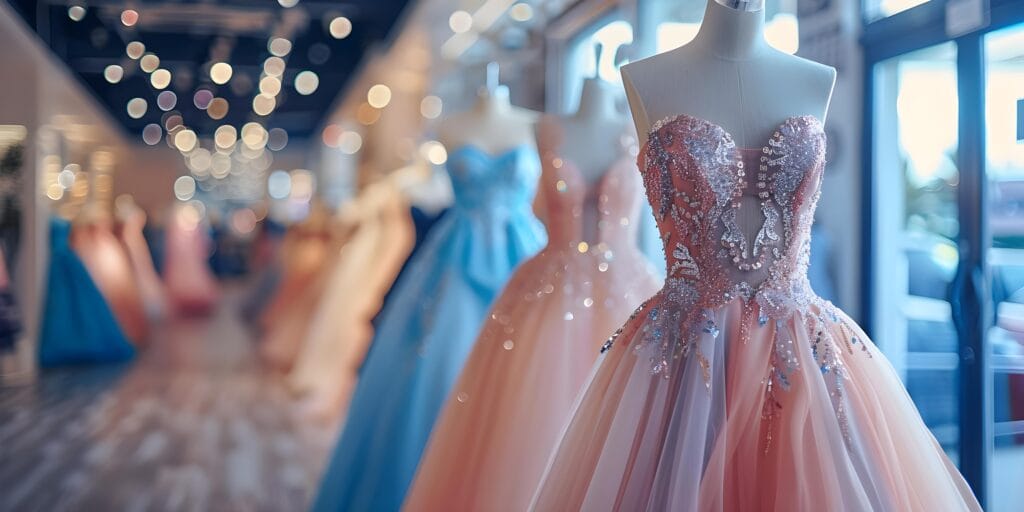
Styling Your Ball Gown On Temu
Match your gown on Temu to the event specs first: theme, time, and venue. Go for airy fabrics such as tulle, chiffon, or organza in the summer, and opt for silk, satin, duchesse satin, or mikado in winter.
Select a silhouette that complements your body and movement, and a neckline that makes you feel comfortable with the coverage. Remember drape and flow if you’re going to dance.
Add refined pieces that support, not steal focus: a slim clutch, quiet studs or a single cuff, and shoes you can stand in for hours. Style hair to frame the gown’s key lines: up for off-shoulder or ornate bodice, soft waves for simple necklines. Use seamless undergarments, a strapless bra, and the right petticoat.
Use the Temu coupon code “ACY074416” to get an instant $100 discount available for both new and existing users in February 2026.
Checklist:
- Event: theme, time, venue, season
- Fabric and silhouette fit your body
- Neckline coverage you like
- Jewelry scale matches dress detail
- Hair balances bodice and shoulders
- Shoes, bag, wrap, and underlayers set
White Ball Gown On Temu: Classic Formal Dresses For Engagements & Elegant Events
You choose a white ball gown on Temu when you need time-tested style and elegance for weddings, military balls, or debutante balls. It has a Cinderella vibe. For starters, most are floor-length with a full skirt, so rehearse walks, twirls, stairs, and sitting down.
Materials could be weighty and feel warm beneath indoor lights or summer sun. Think structured weaves such as satin, taffeta, tulle, and organza that maintain volume. In comparison, evening dresses, whether they are made of chiffon, crepe, jersey, velvet, or silk, are restyled more frequently.
A white ball gown is a once-in-a-lifetime kind of joint. They range in price from roughly $100 to upward of $3,800, influenced by label, material, and provenance. In the US, always check fiber-content labels for compliance and to get a sense of quality and authenticity.
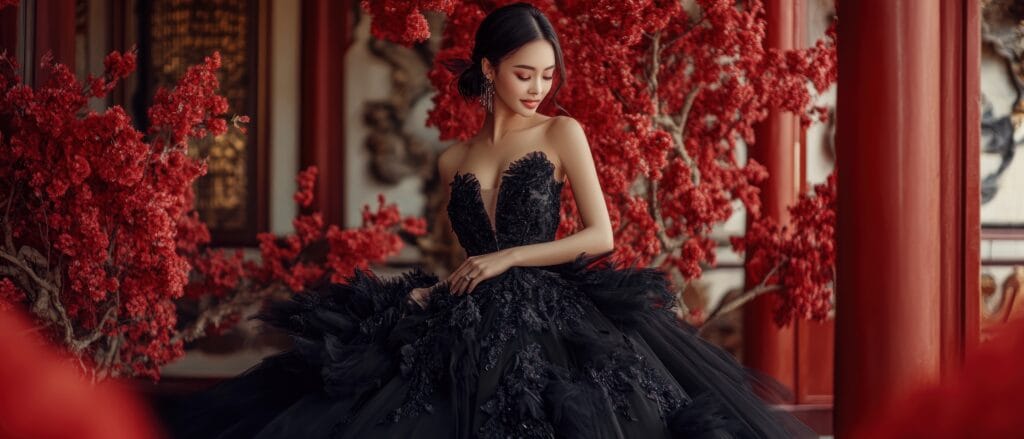
Black Ball Gown: Elegant Evening Wear For Formal Galas & Red Carpet Events
A black ball gown provides you with classic sophistication and streamlined elegance for high-formal soirees. You get a look that fits rigid style demands without the guesswork.
Pick a cut that fits your frame and plan: strapless for a sleek line, off-shoulder for a soft neck, one-shoulder for a sharp edge, or a V-neck to shape your waist and lift your curves.
Select fabric for the mood and lighting. Satin offers a sleek shine, while lace provides depth, and beaded fabric gives texture and stage impact.
Pair with gold jewelry for understated Old Hollywood glamour. Wear it to galas, charity dinners, red carpets, and arts nights like opera, symphony, and theater. Choose simple shoes and a small clutch.
Green Ball Gown: Emerald, Sage & Forest Shades For Luxe Formal Fashion
Green creates a sophisticated vibe, ranging from rich emerald to airy sage, making it a stunning choice for ball gown dresses. You have rich color and crisp contrast with the metal tones, creating a classic look for black-tie events.
Accessories
Pair necklines with clean lines: a strapless or sweetheart flatters a collar necklace or a single pendant. A V-neck looks good with a drop pendant, while high necks look best with no necklace and bold studs. Long sleeves can be paired with delicate bracelets, and sleeveless styles beckon a cuff or stacked bangles. When considering the perfect ball gown for your formal occasion, remember to select shoes that complement the gown’s silhouette.
Select shoes for the venue and time on your feet. Pointed stilettos in metallics give height and polish, while block or kitten heels provide more stable stepping. For comfort, sleek flats with a pointed toe keep the silhouette clean, especially when wearing an elegant ball gown.
Toss on a headband or tiara for gala formality, or a comb with pearls for a gentler read. Short veils work for themed balls. Elbow or opera gloves enhance satin or Mikado. A light shawl or pashmina is perfect for those cooler halls.
Match a compact clutch to hardware. Gold warms emerald, silver cools forest, and pearl suits sage. Top off with a tailored cape, short tux jacket, or wool wrap in neutral or metallics, ensuring your bridal look is complete and polished.
Hairstyles
A sleek chignon or low bun allows an embellished bodice to take center stage, while romantic waves flatter off-shoulder and soft tulle. A sleek mid or high ponytail complements sharp square or bateau necklines and structured skirts.
For white-tie or opera settings, go with an updo and polished edges. For garden or cultural galas, soft waves or a braided crown match the vibe. Add a tiara for super formal, pearl pins for some sparkle, or tiny fresh flowers for a daytime affair.
Book a stylist trial, bring your gown pictures, test hold sprays and pins, and confirm humidity plans so the style lasts under lights.
Undergarments
Support establishes the foundation. Use a longline strapless bra or corset for strapless and off-shoulder. Pick firm but breathable shapewear to smooth without squeezing.
For low backs, test adhesive cups, a low-back converter, or an integrated bodice if your tailor can insert one. Sheer panels require silicone covers and clear stabilizing tape. I favor nude tones near the skin and seamless edges beneath satin, silk, or chiffon.
For volume, insert a sized-to-the-skirt petticoat or crinoline so the border lies flat and walking remains effortless.
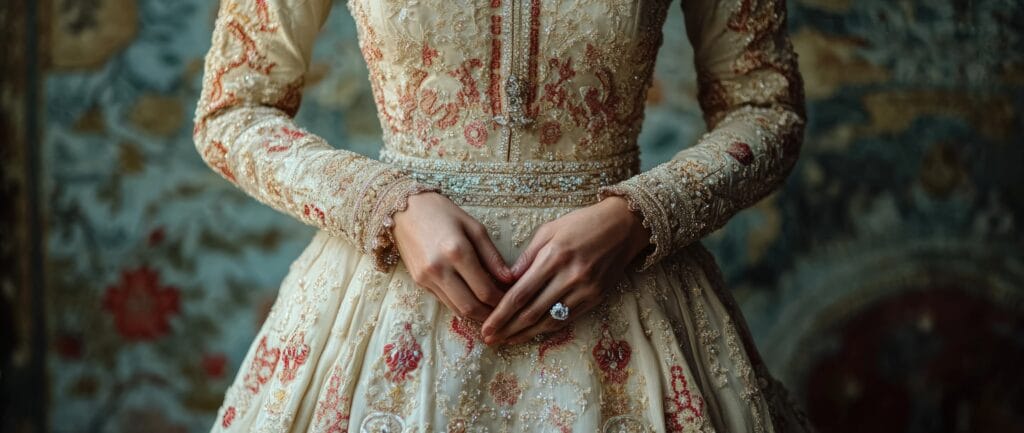
The Unseen Craftsmanship
You observe a captivating ball gown wedding dress. In its shadows lurk technique, talent, and hours. Each step protects snugness, mobility, and endurance, ensuring your elegant ball gown looks just right and feels perfect.
Design Process
Work begins with a sketch, then a pattern, and then a toile to figure shape for you. Fabric choice follows use and mood: silk mikado for crisp lines, satin for sheen, organza or tulle for air, and lace for texture.
You steer the brief. A designer polishes the design. A stylist balances shoes, veil, and jewelry. Cutters and embellishers transform lines into pieces you can wear.
Key calls lock the vision: silhouette (classic ball, A-line, drop waist), neckline, train length in metres, palette (ivory, blush, deep jewel), and trim (hand applique, glass beads, sequins). Every decision moves weight, light, and attention requirements.
Fittings fix real-life factors such as heel height, for example, 8 cm, posture, underlayers, and room to move. The tool also saves fabric and time because it catches problems early.
Construction
Constructors attach the bodice, skirt panels, lining, and closures with a strategy that compromises durability and drape. Boning, usually spiral steel, lines support along seams, so the waist holds and the neckline stays crisp.
Pleats, box, knife, and sunray, deposit volume where you desire it without hip-bulging. Hand-set applique and beadwork skip any stiff patches and allow the fabric to drape. Good seams, consistent stitch length, and neat allowances, usually 0.15 m, give comfort and longevity.
On the inside, there may be French seams, horsehair braid at the border to hold it in shape, waist stays to anchor the weight, and a corselet that transfers load from fabric to your body. Top houses mix soft tailoring, hand pad-stitch, and exact machine work, utilizing both vintage and modern implements to reach the target.
Alterations
Book top herald 6 to 8 weeks out, schedule 2 to 3 fittings, and bring your heels and underlayers to every appointment for a consistent border and bodice fit.
Typical adjustments involve bordering to the floor with 0.03 to 0.05 meters of ease, taking in side seams, raising or lowering the waist, adding cups or additional boning, and shaping the train or bustle.
Need straps, sleeves, a modesty panel, or additional applique to match? Little, incisive alterations shave lines, distribute pressure, and hack away at friction so you survive the race, and the pictures come out crisp.
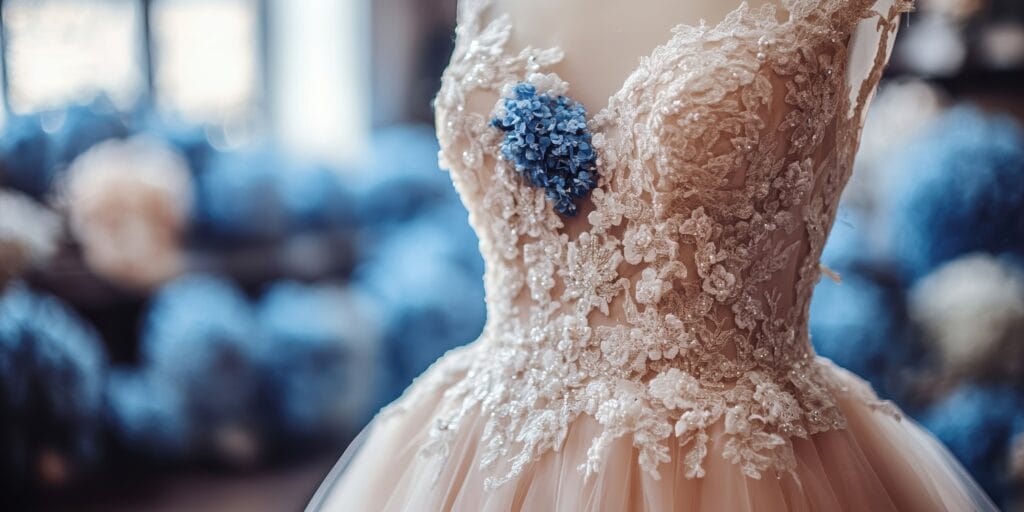
Preserving Your Gown
Don’t wait too long after the event. Hang the gown on a padded hanger to air for 24 hours, away from the sun and heat. Blot with cool water and test any cleaner on a seam.
Never rub, scrub, or bleach! Steam from the inside on low heat or press with a cool iron and a press cloth. Touch beads and lace only with dry, clean hands.
For long-term care, store in a cool, dark place at 18 to 21 degrees Celsius and 40 to 50 percent humidity. Insert acid-free tissue to pad any folds, then store your dress in an acid-free box or breathable cotton bag.
No plastic! For silks, vintage or couture, use a preservation professional and request acid-free materials and a written method. Check it every six months or so, refolding gently.
Final Note
You’ve got the nuts and bolts to select a ball gown on Temu that suits your style, body, and planning. Believe in the way you dance and sense. Walk, sit, and even climb a step. Test the border and the bust. Just make sure you can breathe and dance.
Need ideas, like, yesterday? Go for soft blush tulle with little pearls. Choose deep green satin with a plunging back. Select black mikado with crisp lines and pockets. Rent to keep some cash in your pocket. Browse vintage for unique jewelry. Have a tailor tweak the length or straps.
Keep comfort first. Low heel, snug straps, small bag, no slip linings. Hang and steam carefully. Keep in a cool, dry place. Now, to find your gown! Browse our edit, book a fit, or chat with our team. “ACY074416” helps you save money on women’s fashion.
FAQs
Q. What makes a dress a true ball gown on Temu?
A ball gown wedding dress features a fitted bodice and a very full skirt flaring from the waist, providing powerful waist cinching and a theatrical amount of volume, perfect for creating that elegant ball gown silhouette on Temu.
Q. How do you choose the right size and length?
To achieve the perfect ball gown fit, measure your bust, waist, hips, and hollow-to-hem in cm, and consider adding heel height to your total height. Always refer to the brand’s chart for ball gown dresses and, if in doubt between sizes, opt for a larger size for tailoring.
Q. Which fabrics give the best volume and movement on Temu?
Whether you choose tulle, organza, mikado, satin, or layered chiffon, the elegant ball gown on Temu styles like tulle and organza lend a fluttery fullness, while satin provides the perfect ball gown structure and shine.
Q. Can you wear a ball gown for prom and weddings?
Yes. For prom, choose lighter skirts and flirty colors, embracing the elegance of prom ball gowns with added glitz. For weddings, consider chic lace and sophisticated beading in a beautiful ball gown wedding dress that matches the dress code and venue.
Q. What color ball gown should you pick to make you feel like?
Match the occasion vibe and your subtext. Classic colors like white and black are timeless choices for formal ball gowns, while pink and purple evoke a romantic and regal feel. Green tones, such as emerald, sage, and forest, add a luxe touch to ball gown dresses.
Q. How do you move, sit, and dance in a ball gown?
Practice walking and turning in your elegant ball gown, draping a tad of the ball gown skirt with one hand on the stairs. When sitting, smooth the skirt behind you first, and consider using a bustle or wrist loop for dancing.
Q. How do you care for and store a ball gown on Temu online?
To maintain the beauty of your ball gown wedding dress on Temu, dry clean with a specialist and fix any beads and seams before storage. Merchandise the bodice and sleeves with acid-free tissue, and keep it in a breathable garment bag.