
Business casual outfits are polished but relaxed looks you sport to offices that appreciate comfort and respect. You blend tailored basics with layers: chinos or dark jeans where allowed, button-downs, blouses, knit polos, and cardigans. You throw in clean loafers or low-profile sneakers, uncomplicated dresses, and knee-length skirts. You keep colors neutral, patterns subdued, and fit crisp. You tweak for position, environment, time of year, and Zoom calls. Then you get rules and outfit examples and buy-smart lists.
Key Takeaways
Decoding Business Casual Outfits Ideas
Business casual falls somewhere between professional attire and informal attire. You want polish and ease, space for your personality.
Start with basics: slacks or dress pants, khakis, chinos, knee-length skirts, and dark jeans with no holes. Layer when necessary: cardigans, blazers, or sport coats.
Choose closed-toed shoes: loafers, Oxfords, boots, pumps, or flats. Keep denim low-key, foregoing vibrant or ripped varieties.
Add simple jewelry, a tidy belt, or a scarf; keep it understated. Be well aware of your office policies because norms vary by organization, sector, and location.
Discover the divide between business casual and business professional and avoid slips. When in doubt, dress up a bit and observe what your teammates wear.
Business Casual Outfits For Women For A Polished Yet Relaxed Office Look
Tidy up your look with mix-and-match pieces. Channel a crisp shirt for structure with loose trousers for long days, or exchange a pencil skirt for a sharp line. Shift silhouettes and textures to stay fresh: wide-leg pants one day and a pencil skirt the next.
Mix laid-back and tailored pieces so the look works for virtually any office, from creative departments to casual Fridays. Opt for closed-toe shoes that complete the ensemble and endure. Loafers and flats go with pants, skirts, and dresses; low heels fit in. Our picks here are simple to style, cover most dresses, and stay comfortable throughout long workdays.
Work Outfits That Transition Easily From Office To After-Hours
You want business casual attire that works at 09:00 and still looks right at 19:00. Construct lean, smart casual outfits with small swaps that shift quickly.
1. The Core Concept
Leave the suit at home and maintain a sharp, clean aesthetic. We’re thinking blazers, tailored trousers, button-downs, midi skirts, and closed-toe shoes.
Begin with neutrals — black, navy, grey, cream — then add a pop. Neutral-toned dress pants will work nicely with knits, shirts, or a tidy tee under a blazer.
Just add a great pair of heels or dress shoes and a statement belt or jewelry to transform a tailored dress in a solid color from desk to dinner. Jeans, shorts, and athletic wear hardly ever make the business casual cut.
A blazer or cardigan polishes things up at work, then you peel it off after hours. Earthy hues like olive, burnt orange, and terracotta bring warmth without clatter.
2. The Casual Spectrum
Business casual runs the gamut from dress pants and a blouse to a midi dress and loafers. Pinpoint where your office falls on that spectrum, mark meeting days, and client customs.
Make for yourself a short list of ‘always safe’ items, such as tailored trousers, a solid dress, a blazer, and loafers, then a ‘sometimes’ list, like dark denim if your policy permits.
Casual Fridays might let you wear softer knits or more relaxed shoes, but maintain structure and clean lines. Footwear flips the mood fast: switchfrom loafers or flats to heels or sleek dress shoes for the evening.
3. Industry Nuances
Finance, law, and many corporate teams prefer conservative takes: structured blazers, muted tones, closed-toe shoes, and minimal prints.
Creative fields might embrace louder colors, patterns, or distinctive accessories, yet remain trim. Observe what leaders wear, then dress one notch safer. Overdressing or underdressing can cause initial impressions to slide.
4. Modern Interpretations
Choose comfort-forward pieces: breathable knits, stretch shirts, and relaxed tailoring that holds shape. Think monochrome sets, cropped blazers, or wide-leg pants with clean lines.
Sophisticated styles are designed to take you from the boardroom to cocktail hour with no complete change needed. Loafers and dress shoes dress up or dress down beautifully. Switch as your plans switch.

Your Foundational Wardrobe For Fashion Trends
Construct your professional travel base. Think clean lines, neutrals, and swap-friendly pieces. A skinny bundle of essentials slims down decision weight and accelerates your sunrise.
- Navy or gray blazer
- Trench or wool coat
- Crisp shirt or blouse
- Fine‑gauge knit (crew/V)
- Dark flat‑front trousers
- Smart chinos, beige or navy
- Dark neat denim
Opt for wool, cotton, and linen to keep things breathable and long-wearing. Go for timeless cuts that mix well: single-breast blazers, straight trousers, and mid-rise waists.
Create your 5 to 10-piece capsule in navy, gray, and beige. Stay fit, sharp, and comfortable. Adjust sleeves and waist. A nice coat finishes it off. Care, rotate, and mend to extend life.
Female Work Clothes: How To Build A Stylish And Professional Wardrobe
Construct a compact, clever collection of business casual attire basics you can combine with simplicity.
Versatile Tops
Begin with black, white, navy, or beige button-downs, knit tops, and blouses. Select silk, Tencel, or crisp cotton for clean and long wear. Include some fine-gauge sweaters and turtlenecks for cooler days or to wear underneath a blazer.
Use subtle detail for variety: a pinstripe, a soft texture, or a neat collar. Pass on see-throughs, low necks, and body-hugs. Stay away from busy florals, polka dots, or paisley.
Polished Bottoms
Choose tailored trousers, ankle pants, and pencil skirts in navy, black, or gray. Throw in a midi skirt or culottes for variety, and save leggings, torn jeans, and shorts for off-duty unless you say otherwise.
Fit matters most: a smooth waistband, the right rise, and hems that skim the shoe. A well-fitted sheath dress or sharp tailored pants can ground your entire collection, teaming with any top from above. Instead, go for a small, strategic cadre of quality pieces that you can mix and match all week long.
Essential Layers
Add shape or warmth with blazers, crisp cardigans, and basic vests. Pick core colors like charcoal, camel, and navy so each piece layers with lots of different outfits.
Go light for spring and autumn, and use heavier wool for winter. Layer to tackle cool offices, travel days, or client meetings without a complete outfit swap.
Footwear Choices
Opt for loafers, pointed flats, low block heels, or dress shoes. Ditch sneakers, flip-flops, and casual sandals in most offices. Rotate by season and outfit formality.
Maintain your shoes, keep them clean, soles sound, and heels stable. A versatile pair—loafers or block heels—adds comfort and polish.
Note: The global women’s workwear market is $ 27.5 billion and growing, driven by the need for stylish, functional pieces.
The Art Of Accessorizing
Shoot for business casual attire that feels cool, crisp, and in harmony with your clothes. Think of your day or event, then select pieces that stand out and don’t overshadow you!
- Watches, simple jewelry, and slim belts
- Slick, structured bags capable of accommodating a 0.13 to 0.15 meter-thick stack of work gear.
- Neutral shoes with clean lines
- Lightweight scarves for mild layering
- Hair accessories were kept subtle
- A pared-back hat, where workplace rules allow
Subtle Jewelry
Choose tiny studs, slender hoops, a delicate chain, or a timeless watch. Own one statement piece at most so that nothing steals focus in meetings. Match to hardwares on your belt, bag, or shoe for a clean line. Match stones to your color scheme, not vice versa.
Layer one short and one mid-length necklace, or two slim bracelets for depth without fuss. Keep pieces stored flat or in soft pouches to prevent tangling and abrasion.
Functional Bags
We love a well-accessorized look, so incorporate a structured tote or small backpack that fits your laptop, charger, files, and water bottle without any bulge. Go for black, tan, navy, or gray for easy mix-and-match, and ditch the loud logos. Maintain your outer clean and your lining neat.
A little pouch organizes your keys and cards. Crossbody straps assist on commutes, while short handles read sharp in rooms. Let your bag complement the day’s agenda, not battle it.
Belts and Scarves
A belt defines the waist on dresses, polishes off pants, and connects shoes and purse. Light cotton, silk, or modal scarves give you color in the warm months and warmth in the cool.
Watch scale; big buckles or dense prints can swamp your outfit. Shoes anchor everything. Polished loafers, flats, or low heels keep the line refined.
Comfortable Work Clothes That Keep You Productive All Day
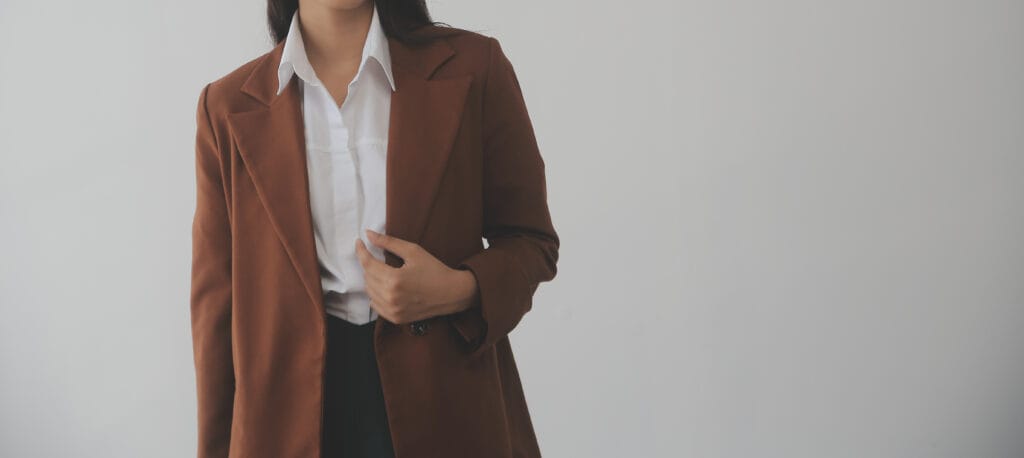
You work better when your clothes aren’t fighting you. Comfort reduces distraction, improves mood, and allows your body language to project calm and confidence, which influences how others perceive you. Business casual has become laid-back, but it still requires shine.
Select materials by season and activity. Seek breathable weaves with a smooth texture. Cotton blends, merino wool, and TENCEL lyocell work in most climates. Add linen in warm months and finer knits when it is cool.
With 4-way stretch chinos, ponte trousers, knit blazers, and jersey shirts, you can move, bend, and sit all day without pulling or straining.
Suit your scene. Client-facing days require smart knits, a tailored blazer, and leather oxfords. Innovation floors embrace stretch pants and fresh kicks. Use color and small patterns to express your personality.
Common Styling Mistakes
Business casual is best when you appear polished, appropriate, and in-the-know. Research indicates that as much as 95 percent dress off-mark at work.
Dressing too casually or overdressed: avoid T-shirts, tank tops, shorts, or jogging pants. A full formal suit can read stiff. Go for smart separates.
Excess accessories or jewelry: skip noisy stacks, large logos, or too many rings. One watch and small studs will do.
Poor fit and clashing textures: baggy or tight pieces, shiny fabrics, or heavy creases lower trust. A pop of color adds a third piece, such as a blazer or cardigan, to polish.
Ignoring industry norms: tech may allow polos, finance could anticipate chinos and blazers, check policy, and peers.
Overspending: Luxury labels aren’t required. Invest in fit and care.
No wardrobe reviews: Audit each season, mend or donate worn items.
Where To Buy Work Clothes That Are Stylish, Affordable, And Durable
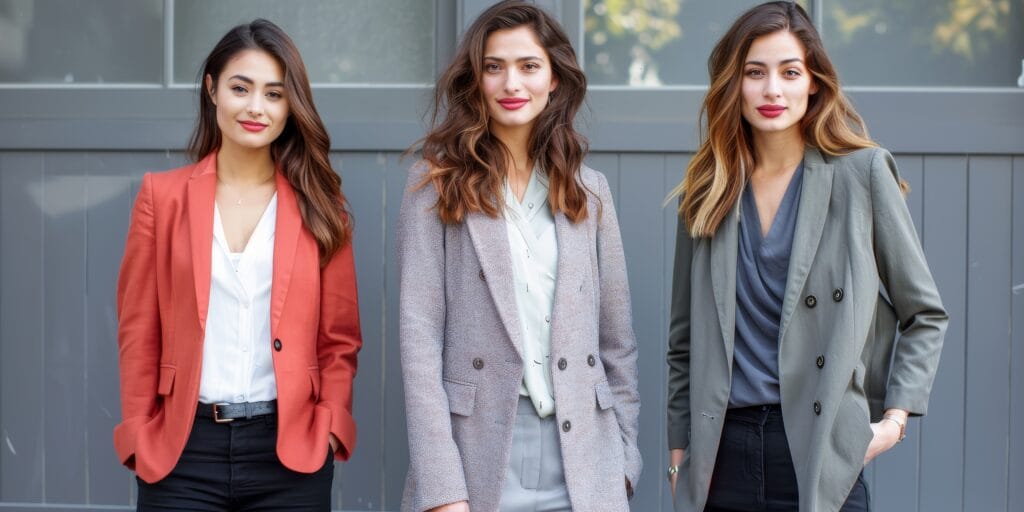
Opt for stores that provide fabric content and transparent size guides, along with hassle-free returns. Combine a few well-made business casual attire staples with budget basics to keep costs in check as you build a versatile collection for work and beyond.
Overly Casual
Forget athletic wear, distressed denim, loud graphics, and beach shoes. They read weekend, not at the workplace. Casual Friday still demands polish. Think clean chinos, a smart knit, or a simple blouse with flats. When in doubt, err on the side of being a little more formal. Versatile pieces pay off since you can wear them to dinner or even travel.
Poor Fit
Fit fuels value at least as much as price. You want trousers that skim, not pinch; skirts that sit at the waist without gaping; blazers that close clean through the chest and let you raise your arms. If you’re shopping online for convenience, look at the exact measurements and reviews, then order two sizes when the return policy is free and easy.
Tailors can hem sleeves, nip waists, and adjust rise, which is a lifesaver if you’re petite or plus-sized and battle with off-the-rack cuts. Swap out stretched waistbands and saggy knits quickly. Worn fit looks sloppy. A couple of classic, well-made, perfectly fitted items tend to outlast and outwork a bigger, cheaper batch.
Ignoring Grooming
Keep hair tidy, nails groomed, makeup light, and scent soft. Clothes should be pressed, lint-free, and in good repair. Grooming backs the look, enhances confidence, and sends a message of attention regardless of your position.
Wrong Fabrics
Skip the fleece, shiny synthetics, or distressed weaves. They’re too casual. Choose wool blends, cotton poplin, silk, or fine knits. These fabrics breathe, drape nicely, and last when taken care of.
Pair fabric to season. Lightweight in summer, heavier in winter. Classic weaves age well, too. Let style be your guide, consider price, quality, and durability. Rates are all over the map, so just pick what works for you.
The Future Of Workwear
Business casual attire will bend toward functionality and comfort. Hybrid schedules and home-office setups demand dress that is flexible, inclusive, and practical, with options like business casual blazers and performance fabrics likely dominating daily wear.
| Trend | What it means | Why it matters |
| Performance fabrics | Stretch, moisture-wick, crease‑resist | Long days, less upkeep |
| Smart workwear | Antimicrobial knits, sensor tags, and LED safety gear | Safety, hygiene, productivity |
| Hybrid styling | Mix of tailored and casual pieces | Works on-site and remotely |
| Rental programs | On-demand sets, seasonal swaps | Lower costs, less waste |
| Inclusive dress | Wider style acceptance | Authenticity, higher engagement |
Comfort First
Opt for knits with two to four-way stretch, breathable blends, and adjustable waistbands. They play nicely during long meetings and tight travel. Seek out crease-resistant weaves that hold shape on video and in real life.
Select shoes with cushioned midsoles and stable, low to mid heels. Test drive rubber outsoles for traction and silent steps.
Layer with light cardigans, unlined blazers, or thin vests to combat changing office temps. Aim for comfort that still reads professional, as research connects “feeling like yourself” to stronger concentration and productivity.
Sustainable Choices
| Item | Key traits | Care tips |
| Organic cotton shirt | Low‑impact crops, soft hand | Cold wash, line dry |
| TENCEL lyocell trousers | Breathable, drapes well | Gentle cycle, steam |
| Recycled‑poly blazer | Durable, crease-resistant | Spot clean, air out |
| Repairable shoes | Replaceable soles | Rotate pairs, condition |
Build a lean capsule: 2 blazers, 4 tops, 2 trousers, 1 skirt, 1 dress, 2 shoes. Combine for weeks. Support brands with transparent supply chains and ethical labor. Wash less, mend sooner, and think rentals for events or uniforms to slash costs and waste.
Personal Expression
Use color accents, subtle prints, or a signature watch, scarf, or pin to exhibit taste without conflicting with policy. Try new silhouettes such as soft-shoulder blazers, wide-leg trousers, and knit polos, and blend textures to revive basics.
Remote norms since the pandemic made casual feel normal, and many feel freer. Some still feel pressure to blend in, so find a middle ground that fits your role and culture. Studies connect clothes that feel “right” to increased confidence and performance. Let your style work for you within defined guardrails.
Seasonal Style Adjustments
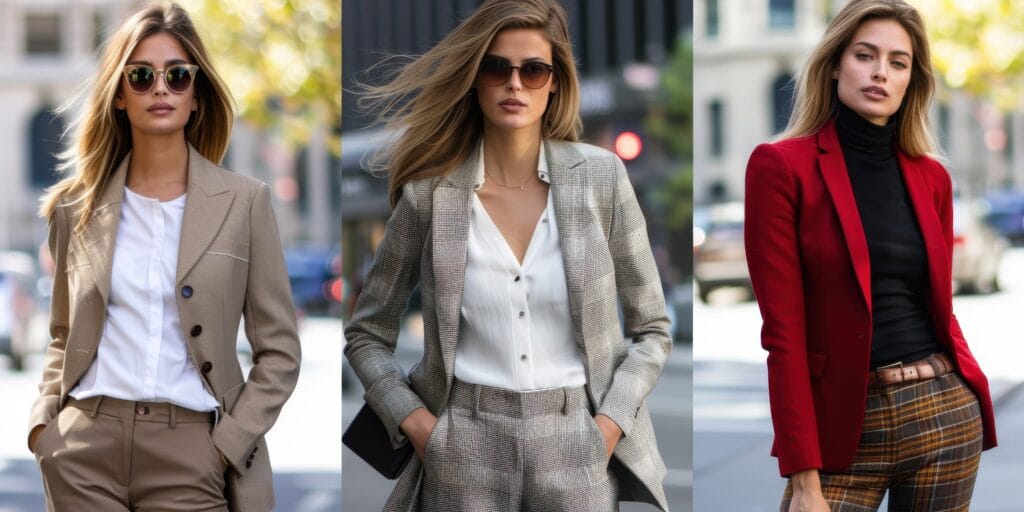
Seasonal Style Shifts: Flip fabrics and colors with the weather so you look sharp and stay cool. In spring and summer, opt for light weaves such as cotton, linen, seersucker, or chambray in soft pastels, light neutrals, or mid blues.
Then in fall and winter, shift to wool, flannel, tweed, and knits in navy, forest, burgundy, or charcoal: a breathable shirt, an unlined blazer, or a thin cardigan.
When cold hits, add a fine thermal, a lined blazer, and opaque tights. Switch up your accessories to match the season—silk scarves or light totes in the warmer months; wool scarves, structured leather bags, and small umbrellas when it is wet or cold.
For those in-between days, always keep a trench, a light knit, and some smart loafers or ankle boots nearby.
Conclusion
So you’ve got your business casual game plan now. Build on classic pieces. Combine crisp lines, sharp fits, and soft knits. Go with cool tones, then bring in one bright pop. Keep shoes neat and subtle. Change out in little ways to alter your appearance. Swap a tee for a crisp shirt. Throw on a cream blazer. Change flats for a low heel or chic loafer. Toss on a statement belt or a sleek watch. Keep it cozy with soft waists and light layers. Shoot for simple clothes you can wash, wear, and match.
To try it quickly, set one work outfit for the week. How about dark trousers, a knit top, and a light jacket? Throw in a little scarf for after hours. Need more day-appropriate picks and price tips? Sign up for our list and receive new inspiration every week.
FAQs
Q. What does “business casual” actually mean?
Business casual attire melds the formal and informal, incorporating tailored trousers, midi skirts, blouses, and casual blazers.
Q. What are the must-have pieces for a business casual wardrobe?
Begin with tailored trousers, a midi skirt, and a sheath dress, paired with crisp shirts and knit tops. Incorporate a versatile blazer, such as a business casual blazer, along with comfortable closed-toe shoes. Just add a cardigan, a structured bag, and minimal jewelry. Pick neutral colors first and color accents later.
Q. How can you take your work outfit from the office to after-hours?
Layer cleverly with business casual attire. Change out of flats into block heels for a polished appearance. Complement your look with a bold lip or statement earrings. Opt for something adaptable like a wrap dress or dark slacks that transition well between casual style and formal events.
Q. How should you accessorize without overdoing it?
Keep it simple with your business casual attire. Choose one focal piece: a watch, small hoops, or a delicate necklace. Ensure a polished appearance with a structured bag and a thin belt, letting accessories accentuate, not overpower.
Q. What fabrics keep you comfortable all day?
Pick breathable, wrinkle-resistant fabrics like cotton blends and Tencel for business casual attire. Seek out a stretch of two to five percent for maneuverability in various casual styles. Avoid heavy synthetics in warm weather to maintain a polished appearance.
Q. What common business casual mistakes should you avoid?
Avoid too tight a fit, transparent materials, and sloppy shoes when selecting business casual attire. Don’t neglect tailoring; hems and waistlines count for a polished appearance. Keep clothes clean and pressed to maintain a conservative look.
Q. Where can you buy stylish, affordable, and durable work clothes?
Seek out brands known for their business casual attire that emphasize fit and quality control. Consider mid-range stores with good return policies and explore options like business casual blazers. Remember to always compare cost per wear, especially during end-of-season sales.