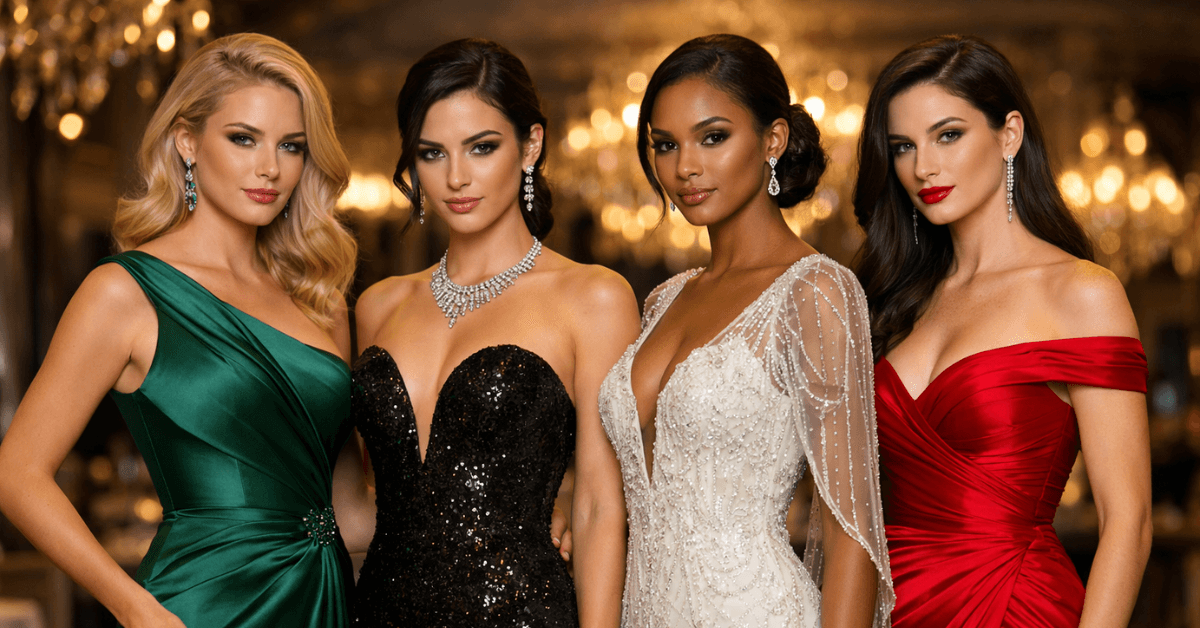
A formal evening gown is a floor-length dressy outfit you wear to black-tie affairs, galas, weddings, or other special evenings. You pick it for a clean, elegant appearance that matches a rigid dress code.
Your gown’s cut, fabric, and color form your formality, from floor-length satin to structured crepe. To assist you in selecting with less anxiety, the following sections guide you through silhouettes, fits, and easy rules.
Key Takeaways
Choosing Your Perfect Formal Gown
Begin with the dress code so your formal gown is appropriate. Black tie weddings and galas require full-length gowns in rich fabrics such as satin, silk, velvet, or layered chiffon. Cocktail or semi-formal affairs go with shorter borders or chic midi styles in clean cuts.
Consider your shape and how you prefer things to fit on you. Mermaid gowns accentuate your curves, waist, and hips.
Ball gowns offset broader shoulders or accentuate slimmer figures. Sheath dresses skim the body and appear sleek on most frames when the fit is precise. The secret is a gown that fits you in the bust, waist, and hips, not one that looks amazing on the hanger.
| Style | Key Features | Typical Price (Dollar) | Pros | Cons |
| Mermaid | Fitted to the knee, flared border | 150–600 | Great for curves, strong red‑carpet feel | Hard to walk, less forgiving on the midsection |
| Ball gown | Fitted bodice, full skirt | 200–800 | Formal, good for many body types | Heavy, can feel too much for smaller events |
| Sheath | Straight, close fit, minimal volume | 120–500 | Simple, modern, easy to re-wear | Shows lines, needs smooth undergarments |
| A-line | Fitted top, gentle flare from the waist | 150–550 | Works on most bodies, timeless, versatile | Less dramatic if you want a bold statement |
Pair your style with color, cut, and little details, not just adornments of extra beads or lace. Deep navy, forest green, or wine deliver a safe, refined appearance while bright jewel tones or soft blush and champagne make an impact without shouting.
Necklines change the feel: V-necks draw the eye down and can slim the upper body, sweetheart necklines give a softer, romantic look, and high necklines feel clean and modest.
Select materials appropriate to the weather and duration of the event, such as light chiffon and lace for a sun-drenched day or a little velvet for a winter gala.
Complement your gown, not compete with it, with shoes, jewelry, and a clutch. Simple heels and a slim clutch in a neutral tone keep focus on a bright dress, while a plain black or navy gown can manage bolder earrings or a metal cuff. Try to find an equilibrium where each piece of your outfit seems like it should be at that event and on you.
Bright Color Gown: Bold Formal Evening Styles
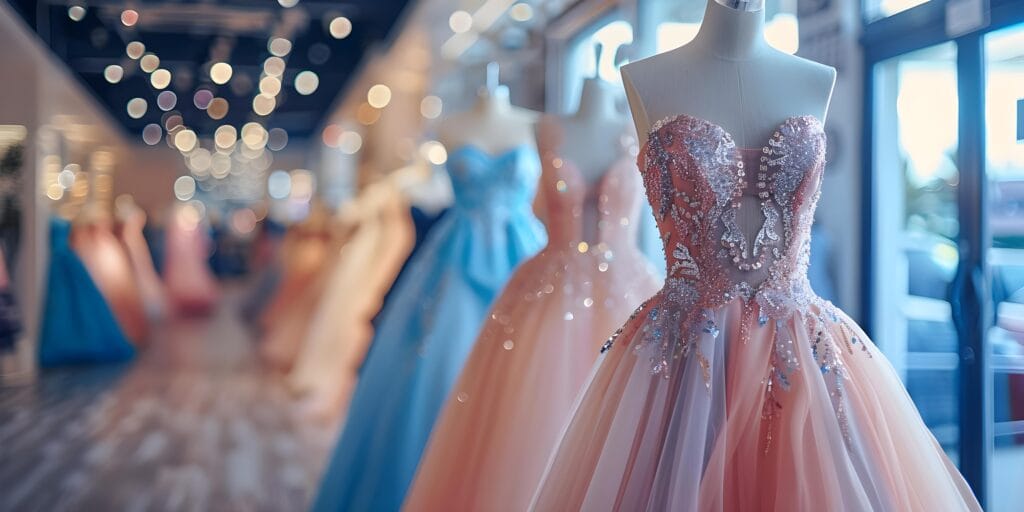
Bright-colored gowns provide you a distinct path to stand out at formal events without violating dress codes. You inject a delicious burst of color in an ocean of black and navy, which can feel so refreshing at weddings, galas, or award dinners.
Strong jewel tones like emerald green, sapphire blue, and ruby red read as formal yet bold. They tend to look good in evening light and flash photos.
You get the most out of a bright gown when you pair it with your skin tone and hair. Warmer skin may be well-suited by coral, gold, or a rich red, while cooler skin can pull off cobalt, teal, or deep magenta. If you’re uncertain, mid-tone jewel shades tend to be a sure bet.
Keep the fabric in mind too: satin and silk catch light and look sleek, chiffon feels softer and more airy, and matte crepe gives a calmer modern look.
To maintain a balanced look, rock your dress with understated, neutral accents. A nude or black heel, a small metal clutch, and crisp lines in your jewelry keep the color from feeling shrill.
Gold will warm up green or red gowns, while silver or white gold plays well with blues and cooler pinks. You might like a full bright look, but you don’t need matching bright shoes or a bag. Sometimes one strong color is enough.t.
Bright Gown: Elegant Looks For Special Events
A bright gown lets you make a statement and still look sophisticated, so you need every decision, length, cut, fabric, and color to fit the occasion and your personality.
1. The Occasion
Begin with the dress code. White tie demands a long, formal evening gown. Black tie allows you room for slim floor-length or high-low gowns. Cocktail permits knee-length or midi dresses that remain sophisticated in appearance. For proms and galas, full-length bright gowns come as second nature, while for graduations or semi-formal receptions, shorter, more playful cuts may be the right fit.
Coordinate your dress with both the venue and the season. For outdoor summer weddings, light fabrics and breezy shades such as coral, soft yellow, or pastel blue do beautifully. In cooler months or majestic hotel ballrooms, darker shades like Oxford blue, wine red, or emerald green feel more sumptuous and fitting.
2. Your Silhouette
Consider what you want to emphasize. If you prefer something balanced that skims instead of clings, an A-line gown works on most body shapes and flows beautifully on the dance floor.
For a softer silhouette, an empire waist lifts the gaze while providing space through the stomach area, which quite a few people find more comfortable when you are at long affairs.
For added drama, a fitted mermaid or trumpet shape hugs your curves and then flares near the knee, while ball gown skirts and corset-style bodices give you structure and volume where you desire.
Petite evening gowns tend to use clean lines and less fabric around the border, so you aren’t looking swamped, while plus-size evening gowns with good seaming, wider straps, and quality lining can support your shape without actually digging in.
3. The Fabric
Fabric shifts the way bright color reads on your figure. Satin and silk provide a smooth shine and feel more formal.
Velvet adds depth and makes rich tones like emerald or ruby even more intense for winter events. Lace overlays can tone down a bright base color so it still reads sophisticated and not boisterous.
It depends on how heavy or light the fabric is. Lightweight chiffon or tulle conjures a floaty, flowy skirt that swishes with your body, which is great in a warm climate or a packed room.
Heavier satins or mikado maintain structure and are best for structured gowns or ball gowns when you want a sleek, sculpted appearance.
4. The Color
In a bright gown, color does the majority of the speaking. You want it to complement your skin and hair, but you want it to suit the occasion. Emerald green, Oxford blue, and classic black are strong contenders when you’re aiming for a contemporary yet timeless mood, particularly at black-tie affairs.
Jewel tones like sapphire or amethyst complement grand evening settings, while softer peach, lilac, or mint can be perfect for daytime weddings or garden parties.
Take the event’s color scheme as your cue. If the decor skews neutral, a bright red, cobalt, or gold metallic will pop in all the right ways.
| Season / Event | Reliable Bright Colors |
| Spring weddings | Pastel pink, mint, soft yellow, light coral |
| Summer parties | Fuchsia, turquoise, bright orange, hot pink |
| Fall galas | Emerald, Oxford blue, deep purple, copper |
| Winter balls | Ruby, navy, metallic silver or gold, black |
5. Personal Style
Your gown should still be you. A bright base color already pulls eyes, so select design details that reflect your style, not someone else’s mood board. If you prefer clean lines, you could go with a simple column gown in bold cobalt and maintain intrigue in one spot, such as a low back or subtle side slit.
If you’re into softer looks, a floral ‘tattoo’ in bright, yet soft tones across a chiffon skirt feels romantic but doesn’t lack drama. You can contrast old and new by styling a traditional ball gown with contemporary accents, slicked hair, understated studs, or transparent-heel shoes.
Or you can don a sleek slip dress and then provide drama with a bold red lip, stacked bangles, or a sculptural clutch. A signature element helps people remember your look. Maybe it is your go-to color, a certain sleeve shape, or a neckline you always feel good in.
Decoding Formal Dress Codes
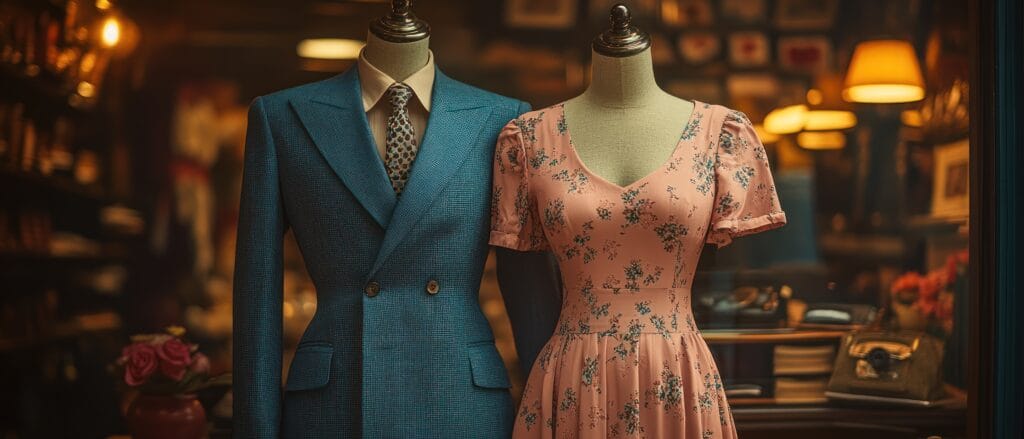
Formal dress codes have become more complex throughout the years, so you need a definite strategy prior to selecting a gown.
The Language of Gown Fabrics
Your material selection determines the mood of your appearance. Silk, satin, velvet, and chiffon all fall on different points of the formality scale, and each one changes how your gown hangs, moves, and catches the light. A heavy velvet or dense satin befits a white tie or winter black-tie.
Light chiffon or silk georgette is perfect for summer galas or garden parties when you want airflow and freedom to dance the night away.
You want material that is appropriate for the occasion and season. For summer, lighter blends with wool, silk, or linen keep you cooler, and you can lean into softer shades like butter yellow.
For fall or winter, slightly heavier weaves and deeper colors like forest green feel more at home and read as more formal.
Use care requirements as a filter as well. If you travel frequently or attend a lot of events, choose material that you can pack and wash without anxiety.
| Fabric | Drape/Look | Durability | Care level |
| Silk satin | Smooth, high-shine, fluid | Medium | High |
| Chiffon | Light, floaty, sheer | Low | High |
| Velvet | Rich, structured, plush | High | Medium |
| Crepe | Matte, soft drape | High | Medium |
| Linen blend | Crisp, breathable | Medium | Low–Med |
The Art of Accessorizing
Accessories encase your gown and turn it from “nice” to “really formal.” A petite clutch, chandelier or drop earrings, a thin bracelet, and clean, well-maintained heels or classic Oxfords or black patent leather shoes complement a polished aesthetic without commandeering attention.
Coordinate metals and finishes with your fabric and color. Cool gowns such as blue, gray, or emerald work great with silver or white gold.
Hot dresses like red, bronze, or butter yellow look amazing with gold or rose gold. If your gown has heavy beading, keep jewelry to a minimum so the detail can shine.
Build fast lists to accelerate your prep.
- For a sleek black-tie gown, use a structured clutch, chandelier earrings, a thin cuff, and patent heels.
- For a softer garden event, use a woven or satin clutch, small drops, and low block heels in a neutral shade.
Beyond The Gown Itself
Your gown sits inside a bigger frame: wraps, hair, makeup, shoes, and even undergarments. For very formal events such as white tie or strict black tie, a full-length evening gown with long gloves remains the standard in certain circles.
Black tie remains a close cousin with many of the same guidelines, but a bit more wiggle room. A neutral shawl or wrap or structured Merino wool blazer can provide warmth and modesty, and it comes in handy when venues swing from outdoor heat to indoor air conditioning.
Hair and makeup should reflect the formality and dress code. A sleek chignon or polished waves with neutral makeup fit in with white tie or black tie. Gentler waves or a loose updo can play into cocktail or ‘semi-formal’ evenings, so long as the effect remains polished.
Dress code rules can still feel unclear, and you are not alone: almost 67 percent of guests say they have been unsure what to wear to a formal event. To cut that stress, use a short checklist before you commit:
- Check the dress code on the invite: white tie, black tie, black tie optional, cocktail, or formal.
- Note time and venue: A city ballroom at night calls for a more formal full-length gown than a late-afternoon garden party.
- Think season and climate: wool, silk, and linen blends work well for warm weather. Heavier fabrics and deeper colors are suitable for the cooler months.
- Inquire about host expectations if the invite is ambiguous, or if you can, skim through the previous year’s photos of the same event.
Long Blue Gowns: Floor-Length Formal Styles

Long blue gowns – These floor-length formal styles provide you with easy structure for formal evenings, yet still allow plenty of room for your personality.
You spot them at evening weddings, red-carpet moments, and black-tie gala affairs, for floor-length blue looks elegant without seeming stuffy.
Dark navy or midnight blue creates a strong, sleek look. Pair it with silver earrings and a simple clutch, or switch to warm gold for a richer, more classic feel. Light blues can work for you if you want something softer, or even as an alternative to a white or ivory wedding gown.
Bright Color Gowns And Dresses: Styling Tips For Events
A bright color gown pops quickly, so you need crisp cuts, silky material, and a silhouette that flatters your frame and the occasion’s formality. Rich jewel tones, such as emerald, sapphire, and ruby, lend themselves to formal evenings. Airy, lightweight brights are perfect for outdoor summer affairs.
Undergarments
Select seamless or light shapewear undergarments that won’t show lines beneath close-fit mermaid or A-line gowns. They help maintain that long, clean line from shoulder to border, which counts even more in bright colors.
Match your bra to the neckline and back: strapless for straight or sweetheart tops, multi-way for one-shoulder, and backless or adhesive cups for deep backs or sheer panels. If your gown has thin straps, peep in bright light to ensure that no strap or edge peeks out.
Alterations
Schedule pro alterations after you pick your gown, not right before the event. Have the tailor verify border length with your event shoes, bodice fit around the ribs, and strap placement so the gown stays put as you move or dance.
You can ask for small custom touches that fit your style and the event’s tone: add light sleeves for conservative venues, soften a sharp neckline, or tweak embellishments so bright beads or flowers sit where they flatter you most.
Comfort
Choose fabric you can breathe in, particularly for alfresco or summer events. Light weaves with a bit of stretch to assist you in sitting, standing, and walking without effort, even in a fitted mermaid or sleek A-line gown.
Choose shoes that have solid support and a bit of padding, not just height. A basic neutral heel or sandal can offset a neon gown and prevent the ensemble from feeling too shouty.
Add comfort backup in your bag: blister pads, fashion tape, a small stain wipe, and a mini sewing kit for loose beads or threads. These little things count even more on long nights.
Navy Blue Gown: Classic Formal Fashion

Navy blue gowns give you a classic formal look without feeling too loud or too safe, perfect for evening parties, weddings, and black-tie galas. The hue seems serene and yet elegant, so you can wear it for years, and it still feels fresh.
If you like a strong, clean shape, a halter neckline or deep V-neck in navy works when you want to stand out but still look polished. For a fluffier style, a navy lace gown injects a distinct romantic vibe, while chiffon with loose, fluttering sleeves remains airy and effortless to dance in for day or evening occasions.
Navy Blue Evening Dresses: Best Fabrics & Fits
Navy blue plays nicely with many skin tones and dress codes, so the fabrics and fits do most of the styling heavy-lifting. Satin lends a glossy, lush finish that brings navy to a deeper, more formal tone, which is perfect for black-tie occasions.
Lace provides soft detail and a demure, romantic vibe, whereas chiffon remains airy and effortless, particularly with billowy sleeves. In terms of silhouette, A-line skirts provide a timeless, soft cascade from waist to border, whereas fit and flare styles complement both rigid affairs and casual nights.
Asymmetrical borders with a ruched bodice and belt can add modern lines, and beaded or sequined designs bring concentrated sparkle. V-neck and off-the-shoulder necklines frame your face and shoulders without feeling too daring.
Preserving Your Gown
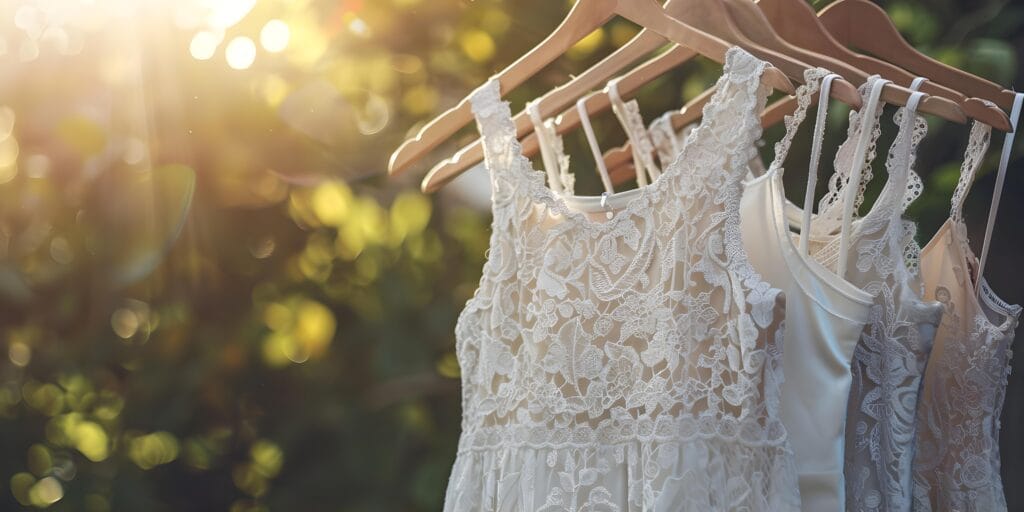
You put a lot into an evening gown, so how you treat it will determine how long it retains its color, silhouette, and worth. The very same rules that preserve a wedding gown for two or three generations preserve your evening pieces prepped for their next event.
Cleaning
Begin with the care label. If it says ‘dry clean only’, take it to a pro – preferably one with obvious experience in bridal or couture dresses. Professional cleaning removes sweat, body oils, and drink spills that will gradually eat away at silk, satin, or chiffon and cause yellowing decades later.
Have your gown cleaned within a few weeks following a big event, particularly if you wore it for long hours or did plenty of dancing under hot lights. Postponed cleaning can allow invisible stains to set, which can brown in time. It is for this reason that wedding gowns make a beeline for the cleaner.
Storing
How you preserve the gown is as important as how you clean it. Try to find a steady spot at around 16 to 21 degrees Celsius with 40 to 60 percent relative humidity, somewhere far from direct sun, damp walls, or heaters.
Hang long, plain gowns on wide, padded hangers so the shoulders maintain their shape. Slip adjustable straps over the hanger hooks if the dress is heavy, so the main fabric doesn’t stretch.
Breathable garment bags only, never plastic covers that hold moisture and can accelerate yellowing. If you have a few gowns, mark each bag or box by style, color, or event, and you can locate the perfect dress without frequent flipping.
Repairing
Little things get big quickly on formal gowns, so examine your dress after every wear in good light. Check for any loose beads, pulled threads, tiny rips at the border, or hooks beginning to bend. Addressing these puckers early keeps the rest of the fabric unharmed.
fine needles, a few shades of matching thread, clear or matching beads, extra sequins, and small safety pins. You can fix a loose strap or hanging bead at home if you’re slow and work from the inside of the gown.
For anything close to the zipper, bodice structure, or intricate lace, employ a highly experienced tailor or seamstress who frequently works on bridal or evening wear. Their training preserves the original cut and design, which is key if you want your gown to retain value or pass it around to the next generation.
Conclusion
A formal evening gown accomplishes more than just fulfilling a dress code. It supports you, so you’re confident, composed, and primed for the evening.
If you’re into a bold look, bright shades do the trick for you. Navy and deep blue assist when you desire a cool, understated flair. Long borders, clean lines, and the right fit do most of the work, not the trend of the week. Take care of your gown, and it stays sharp for years, not nights.
Prepared for your upcoming function, date, or gala. Apply what you learned here, select one obvious style objective, then select the gown that feels like you, not the hanger.
FAQs
Q. How do you choose the right formal evening gown for your body type?
Remember balance. For those with curves, experiment with architectural fabrics and cinched waists. If you are a straight shape, seek out ruching or draping. Always sit, walk, and lift your arms in the gown to test comfort and fit.
Q. Are bright-colored gowns appropriate for formal evening events?
Bright gowns do have a place at many contemporary formals. Opt for rich tones, quality fabrics, and elegant silhouettes. Keep your accessories understated and your makeup polished for a chic, evening-appropriate ensemble.
Q. How do you style a bright-colored gown without looking overdone?
Let the dress do the talking. Pair it with neutral or metallic shoes and a simple clutch. Keep jewelry simple and matching. For makeup, choose one point of emphasis, such as bold lips or defined eyes, not both.
Q. What is the difference between a formal gown and a cocktail dress?
A formal gown is typically floor length, with richer material and embellishments. Cocktail dresses are shorter, typically being either above the knee or midi length. For black-tie and gala events, a formal evening gown is typically the safer bet.
Q. When should you choose a long blue or navy blue gown?
Go long blue or navy when you want timeless elegance. These hues are great for black-tie weddings, galas, and award nights. They complement most complexions and are simple to accessorize with silver, gold, or pearls.
Q. What fabric is best for a navy blue evening dress?
Requires quality fabrics that drape well: chiffon, satin, silk, crepe. These fabrics flow gorgeously, photograph fantastically, and are comfortable for those all-night occasions! Stay away from fabrics that are scratchy or too starchy.
Q. How do you care for and store your formal evening gown?
Look at the care label first. A lot of gowns require expert dry cleaning. Store your gown in a breathable garment bag, hanging by the loops, not the straps. Store it in a cool, dry spot out of the sun to avoid discoloration.