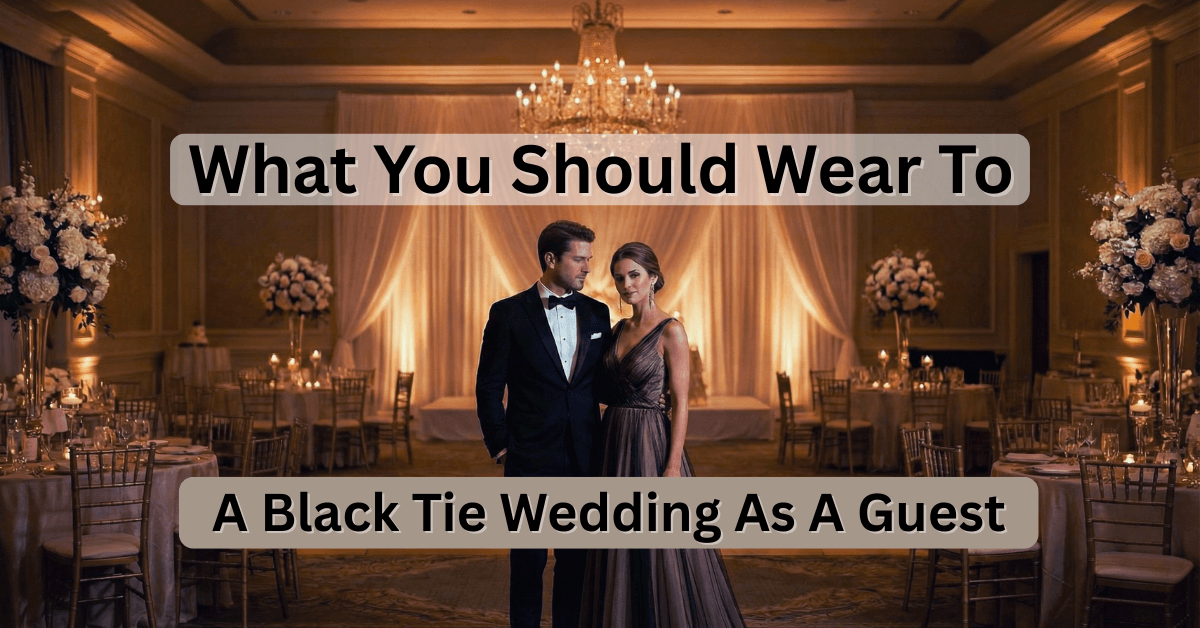
Black tie wedding guest dress refers to a formal, floor-length gown or a chic tuxedo-inspired choice that adheres to evening standards. You desire rich fabrics, crisp lines, and a fit that permits easy movement.
Dark tones such as black, navy, or forest green are appropriate, with sparse yet luxurious accessories. Closed-toe heels in the 7 to 10 cm range keep the look sharp and practical.
To pick right, match the location, time, and weather. The guide below features definitive selections and styling advice.
Key Takeaways
Decoding The Black Tie Dress Code
Black tie means formal evening wear: floor-length gowns or classic tuxedos.
You go for polish, not flash, bypassing bridal white, flannels, and clubbing attire. When you crack the code, you arrive perfectly for the evening.
The Tradition
Black tie evolved from an even older tradition of evening formality for posh nuptials. It indicates a sophisticated after-dark atmosphere and a communal dress code.
Black or midnight blue tuxedos, formal black gowns, and understated accessories ground the aesthetic. Think silk, satin, velvet, or chiffon.
Clean lines beat trends. The outcome is classic, which is perfect for wedding pictures years down the road.
Paying tribute to that tradition with your attire demonstrates respect for the pair, the location, and the level of formality they selected.
The Expectation
How do you decipher the black tie dress code? A fabulous, formal-length gown is your answer. On very rare occasions, a dressy cocktail length can slip by, but the length rule remains for the majority of events.
Short day dresses, flats, or regular old knitwear sound off-code. Opt for luxe fabrics such as silk, satin, chiffon, velvet, or brocade in the colder months for warmth and richness.
Jewel tones flatter winter and lighter shades, and breathable weaves flatter warm seasons and coastal settings. Pick silhouettes that flatter and move well: empire waist for ease, fit-and-flare for balance, or a sleek sheath for a clean line.
Keep jewelry refined, including studs, a slim bracelet, or a single statement cuff, plus polished shoes and neat makeup.
Respecting the code keeps the room together and the mood classy without upsetting the bride.
The Flexibility
Other invitations may say “creative black tie” or “black tie optional,” which allows for options while remaining formal.
For the record, you could go for a tailored jumpsuit in crepe, a satin skirt with a structured top, or a high-polish cocktail dress with evening-level styling.
Always check the invite or wedding site for dress notes, themes, or venue clues. Show off your style with a pop of color, interesting texture, or a contemporary neckline. Maintain a formal finish and a ‘wedding-appropriate’ feel.
Choosing Your Black Tie Wedding Guest Dress
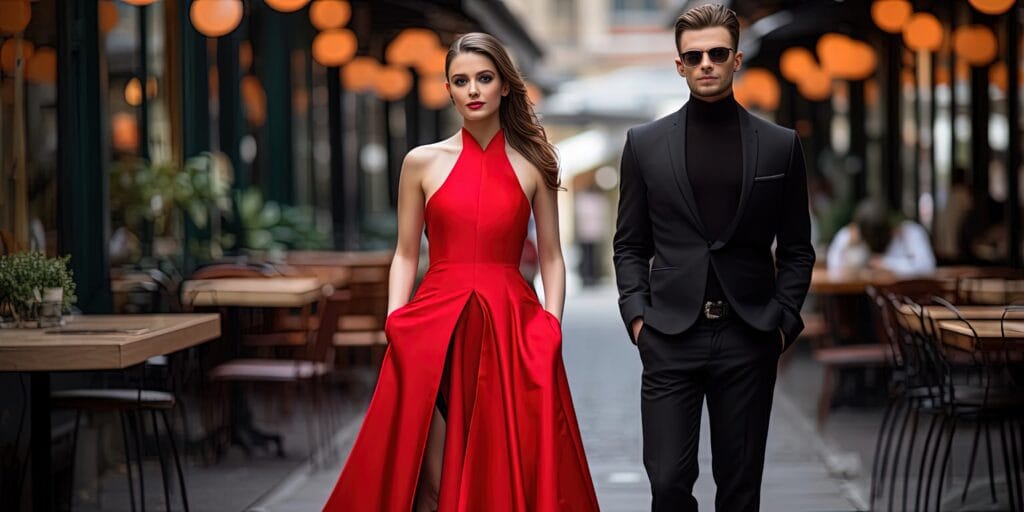
Focus on formality first, then by season, venue, and theme. A traditional black tie affair calls for a floor-length evening gown, where the fabric, color,r and fit all combine to create a refined appearance.
1. The Silhouette
Choose timeless shapes: A-line, sheath/column, fit-and-flare, empire waist, mermaid, or ball gown.
These straddle elegance and ease, and they read formal in photos. Shaped bodices and light corsetry provide form without pain.
Avoid super-trendy cuts, extreme cut-outs, or casual tiers that confuse a black-tie dress code.
Clean lines with sharp seams and a defined waist will give your dress a modern edge if you’re looking for one. Pair the silhouette with your shape and venue.
A slim column is perfect for city hotels. A soft A-line or fit-and-flare plays nicely in grand halls. Make sure to move, sit, and walk in it to confirm comfort.
2. The Length
Think floor length or a true maxi. Tea length can work if the fabric and design are formal. Midi or high-low fits only if it is black tie optional or creative black tie. No minis unless the couple says so.
Measure the hem sweep for tripping and to maintain a clean line with heels.
3. The fabric
Prioritize luxury fabrics: satin, silk, chiffon, velvet, lace, or brocade. Spring and summer favor silk or chiffon. Winter calls for velvet, heavy satin, or even a fine wool blend.
Stay away from cotton jersey and linen. Seek out sophisticated embellishments—lace overlays, embroidery, pleats—that give your dress dimension without weight.
4. The color
Go for black or jewel tones — think emerald, sapphire, or burgundy. Metallics — either gold or silver — do the trick. Overlook white, ivory, and neon.
Align shade to season: deeper for fall and winter, softer for spring and summer. See if the invitation has any palette notes.
5. The neckline
High-neck halter, off-the-shoulder, sweetheart, or V-neck all work for black tie. There are no strict rules, but keep balance: if the neckline is bold, choose a modest silhouette.
Test walk around for comfort and coverage, and then add some understated jewelry, either one statement piece or classic pearls, not both.

Modernizing Your Formal Look
Seek fresh detail without sacrificing polish. Here you can reimagine silhouettes, fabrics, and styling, and still play by black tie rules.
Jumpsuits
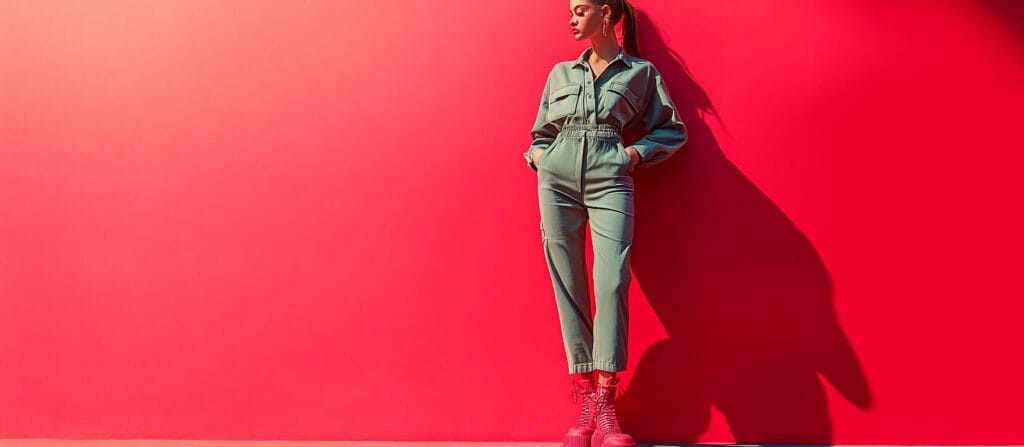
Opt for a fitted, wide-leg jumpsuit in satin, crepe, or velvet. For gown-level formality, seek out a structured bodice, defined waist, or cape overlay.
A plunging V-neckline or an understated slit at the hem feels modern but still sophisticated.
Add formal details: hand beading at the waist, a pleated bust, or sculpted shoulders. Shoes off with sleek heels, a statement necklace or bold earrings, and a chic clutch.
Steer clear of casual jersey, gaping thin straps, or unlined styles because they don’t make black tie.
Separates
Pair a sleek silk blouse and a full skirt, or a tux-style jacket and wide-leg trousers, both in coordinating colors.
Crepe provides body. Satin provides shine. You experience crisp lines and effortless motion.
Pair colors like deep navy on navy or black with charcoal for a seamless look. A statement belt can define the waist, while a chic clutch completes it. Make each piece formal in cut and fabric, not daywear.
Textures
Velvet, brocade, sequins, and beaded tulle layer the depth. Soften a textured skirt by balancing it with a matte top for a layered effect. A single textural focus is sufficient.
Pick season-right textiles: lighter silks and chiffon in soft hues for summer. Plush velvet is suitable for cool venues.
Slim fits with a small side slit seem fresh. High slits and v-necks are also tasteful when done right.
Think empire waists, fit-and-flare, or sheath lines for a clean shape. Style hair in a classic updo and statement earrings, or soft waves with strapless or off-shoulder pieces.
Accessorizing With Intention
Go for pieces that enhance your black tie wedding guest dress, not upstage it! Match formality, color, and venue so everything feels deliberate and balanced.
Jewelry
Lead with one star: dramatic earrings or a show-stopping necklace. Keep the rest quiet. Pearls go with any dress color and mellow out bright shades.
Match metals to undertones. Silver, white gold, or platinum complements cool colors such as midnight blue.
Yellow or rose gold warm jewel tones and red. Gemstones should reflect or accentuate on purpose—emerald with black, sapphire with silver-gray.
Ditch chunky, casual styles that compete for your neckline or battle a beaded bodice. For a clean strapless look, a slim line necklace or faux pearls works well.
Layer with purpose. Delicate chains layer, yes, but don’t mix widths that catch lace or clash with embroidery.
Handbags
Choose a small, hard clutch or minaudiere that matches your dress’s finish. Satin, metallic mesh, or subtle crystals give it a lift but no noise.
Sized for the essentials: phone, cards, lip color, compact. Nothing bulky! An oversized tote or casual crossbody feels off-code.
Footwear
Wear classic heels, strappy sandals, or dressy pumps in nude, black, gold, or silver. Include metallics in jewelry and clutches.
I’m talking comfort and grip for those long nights or lawns out there with 6 to 8 mm gel pads and ankle straps. Match the tone and style of the dress. No sneakers, wedges, or boots.
Outerwear
Spruce it up with a chic wrap, fur stole, or slick evening coat that slides right off. Winter demands velvet or brocade and deeper jewel tones.
Stay close to your color palette for cohesion. Chunky puffers cut the silhouette and read casual.
Accessory Pairings Table
| Dress style | Jewelry | Bag | Shoes | Notes |
| Black column gown | Statement earrings | Satin clutch | Black pumps | One statement only |
| Navy slip | Pearl studs + thin bracelet | Metallic clutch | Silver sandals | Cool metals |
| Silver-gray tulle | Delicate necklace | Crystal minaudière | Nude heels | Light, airy set |
Consider broader formality cues: a well-fitted tuxedo with satin lapels suits black-tie optional.
Brushed silver or gold cufflinks and a tie bar between the third and fourth buttons accessorize with purpose, providing crisp accents.
Accessorizing with intention. Deep burgundy, midnight blue, or silver-gray accents complement your dark suits for a couple or group look without being ‘matchy’.
Accessorize with intention.
Beyond The Dress: Hair And Makeup
Hair and makeup frame your black tie look both in person and on camera. Aim for something a bit sharper and more polished than your everyday style while remaining authentic to your taste and the vibe of the event.
Style Hair In Polished Updos, Loose Waves, Or Sleek Ponytails To Complement Formal Black Tie Wedding Guest Dresses
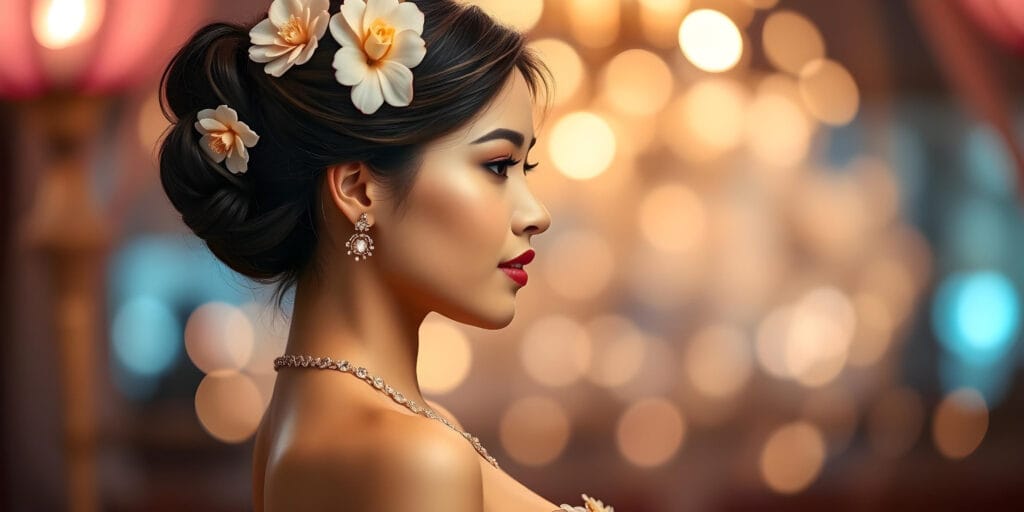
Choose a style that holds, flatters your face, and matches your dress. A low chignon, French twist, or tidy bun complements high necklines and allows your statement earrings to shine.
Soft, brushed waves complement strapless, off-shoulder, or asymmetric gowns, creating balance without crowding the neckline.
A sleek mid or low ponytail is clean and modern for halter or embellished collars. Protect with heat protectant, set with light hair spray, and go with pins that match your hair color.
Pack a small kit: travel hair spray, a few pins, a mini brush, and serum to smooth flyaways if the night runs long.
Choose Makeup Looks That Enhance Your Features And Align With The Event’s Elegance—Think Classic Red Lips Or Soft Glam
Aim for skin that appears even and fresh, and not heavy. Makeup: Go for a long-wear base, set with a light powder, and add a soft contour or bronzer for shape under flash.
For eyes, brown or taupe shadow, tightlined lashes, and smudge-proof mascara read polished and photograph well.
If you adore a punchy accent, a crisp-edged, classic red lip is timeless; if not, a rose or plum stain.
The dress aside, use primer, waterproof liner, and setting spray so your makeup lasts through tears and hours of dance.
Coordinate Hair And Makeup With Your Dress’s Neckline And Overall Aesthetic
Match the scale and vibe. An ornate gown or high neck requires tidy hair, a soft nude lip, and clean liner. A minimal silk column calls for a sleek pony or bun, a deeper lip, or winged eyeliner for focus.
Off-shoulder or strapless styles benefit from flowing waves or a side part, luminous blush, and gloss.
Steer clear of too casual looks, like messy buns and bare lashes, or too heavy-duty styles such as mega-contour and hard glitter that do not pair well with black tie.
Your objective is to be in harmony with the dress code, your style, and the venue’s tone, so you are confident and calm.
Common Black Tie Guest Mistakes
Black tie requires elevated formality and subtle sheen. Minor stumbles can fool people about night lights and snapshots. As a result, target clear-cut strains, extra-enjoyable textiles, and self-restraint.
Wearing Short Dresses, Casual Shoes, Or Informal Fabrics That Violate The Black Tie Dress Code
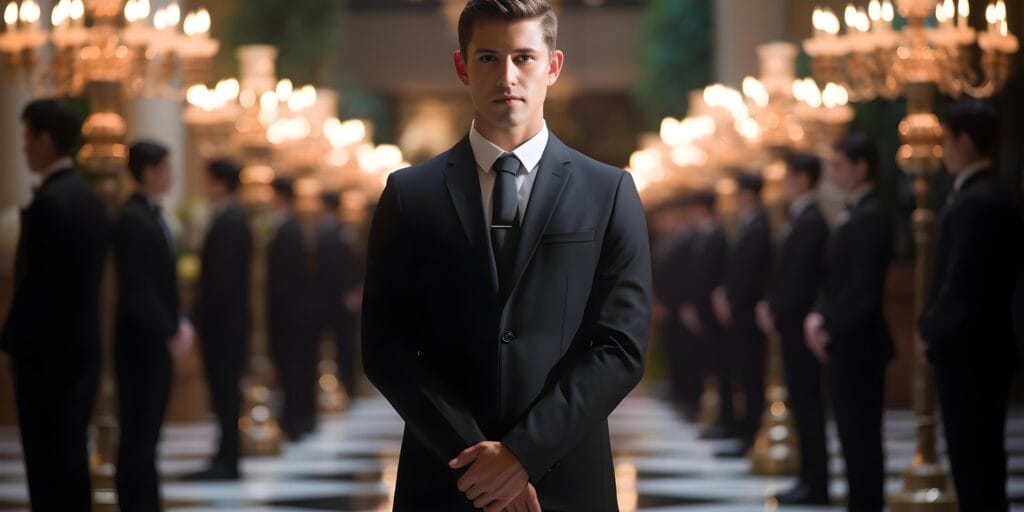
You need formal structure and rich fabric. For men, a tuxedo with satin lapels, a bow tie, and patent or well-shined leather shoes is essential. For women, a floor-length dress is safest.
A refined cocktail-length dress can work if the invite or venue feels modern and the fabric is luxe, such as silk, satin, or velvet.
Skip short hems, jersey, cotton, denim, and linen. Avoid sandals that look beachy, sneakers, or chunky boots.
Think covered toes or sleek straps, seven to ten centimeter heels, or polished flats. Match the venue and season: outdoor grass needs block heels, and winter needs richer weaves and a wrap.
Choosing White Or Bridal-Inspired Colors That Complement The Bride’s Look
White, off-white, cream, and very pale blush should be avoided. Avoid bridal specifics like ‘gown’, lace, tulle, trains, or veils. If the couple sets a palette, stick with it.
If not, deep tones work at night: navy, black, charcoal, forest, wine, emerald, or metallics with restraint.
Over-Accessorizing Or Selecting Flashy, Distracting Jewelry And Handbags
Keep the shine on. Choose one hero: earrings or a cuff, not both. Say no to giant logo bags or day totes; use a small evening clutch.
A casual wristwatch can break the look, so ditch it or wear a slim dress watch. Tie clips, cufflinks, and hair accessories need to be understated and in one metal tone.
Ignoring The Invitation’s Dress Code Details Results In An Outfit That Feels Out Of Place At The Event
Pay attention to the invitation for any ‘black tie’, ‘black tie optional’, color requests, or cultural comments. Match the wedding party’s formality.
Night events require deeper colors and more sheen. Day-to-night might need lighter hues with a dressier jacket or cardigan. Fit counts; have hems and sleeves tailored.
Finally, honor your style so you’re comfortable and look composed.
Conclusion
You know the dress code by now. Black tie equates with clean lines, luxurious fabric, dark tones, and a crisp fit. Floor length is best.
A chic midi can get away with it if the cut is dressy. Consider satin, silk, crepe, and velvet. Ditch peek-a-boo dresses that reveal too much.
To give it edge, opt for a square neck, strong sleeve, or deep jewel tone. Keep shine tight: one bold cuff, a neat clutch, and polished heels. Hair sleek, makeup polished. A red lip or soft smoke both play nicely. Try the look in daylight and low light. Sit, walk, dance, and check fit.
Want a sure thing. A deep navy column dress, black slingbacks, and a slim gold cuff. It’s clean, timeless, and on code.
Need more picks by price and fit? Just let me know your size, color, and vibe.
Frequently Asked Questions
What does black tie mean for wedding guests?
It translates to formal evening attire. Either pick a floor-length gown or a sophisticated midi in sumptuous fabric. Steer clear of casual styles. Go for polished, timeless, and refined.
Can you wear a black dress to a black tie wedding?
Yes. Black is elegant and totally appropriate! Opt for rich fabrics such as silk, satin, crepe, or velvet. Top it off with upscale accessories to maintain festive sophistication.
Are midi dresses acceptable for black tie?
Yes, so long as the fabric and finish are formal. A tailored midi in satin or crepe does the trick. No casual cuts, thin jerseys, and daytime prints.
What colors work best for black-tie weddings?
Deep jewel tones, metallics, black, navy, and champagne look polished. No white, ivory, or bridal-adjacent hues. When in doubt, go with classic dark colors.
What shoes should you wear with a black tie dress?
Opt for pumps with a closed toe or chic strappy heels. Make them sleek and polished. Neutral, metallic, or matching tones are best. Stay away from chunky or casual shoes.
How should you accessorize a black tie look?
Just be purposeful and don’t overdo it. Pick one statement piece—earrings, cuff, or clutch. Choose polished metals and a sleek bag. Myth: Less is more.
What are common black tie guest mistakes to avoid?
Sporting casual fabrics, too-short hemlines, loud logos, or daytime prints. Forgoing proper tailoring. Accessory overload. Forgetting cozy and sleek footwear.